
 By
By Since 2010, a remarkable wave of talent has cemented the best British female directors as some of the most exciting voices in contemporary cinema. Here we take a look at ten standout films that exemplify the breadth and brilliance of their work — from intimate character studies to bold genre experiments — and why each is worth your time.
Carol Morley appears twice, and for good reason: her haunting drama-documentary Dreams of a Life and the unsettling, ambiguous The Falling reveal a filmmaker unafraid to probe memory, mystery and the hidden fractures of everyday life. Lynne Ramsay’s devastating We Need to Talk About Kevin endures as one of the most psychologically piercing British films of the century, while Phyllida Lloyd’s The Iron Lady takes an unexpectedly human approach to a divisive political figure.
More recent debuts — like Molly Manning Walker’s raw, empathetic How to Have Sex, Charlotte Regan’s inventive and big-hearted Scrapper, and Raine Allen-Miller’s vibrant rom-com Rye Lane — mark the arrival of a new generation of trailblazers. Meanwhile, Clio Barnard’s tender Ali & Ava and Charlotte Wells’ exquisite Aftersun showcase directors with distinctive, deeply human storytelling voices.
Together, these films demonstrate the richness and emotional power of British cinema made by women.
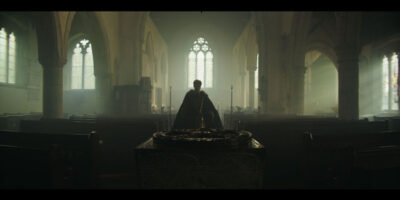
The Falling
Dir. Carol Morley (2015)

The Falling, another captivating film from Morley, has understandably divided audiences (its plot diluted in favour of an unnerving, ambiguous mood). It is nevertheless a captivating mystery with elements of pubescent coming-of-age drama bottled up in a maddening horror show featuring enigmatic mass fainting and teenage rebellion.
Not as finely-tuned as the writer-director’s Dreams of a Life but far more dynamic, the film’s melodramatic conclusion may be considered trite in comparison to the sedately paced and defiantly vague drama leading up to it but offers some defining lines to satisfy our thirst for closure.
If you watch it thinking it’s a school from Summerisle before Edward Woodward’s Sergeant Howie gets there in The Wicker Man, it’s far more fun. And sixteen-year-old star Maisie Williams, better known for her appearances in Game of Thrones, is excellent.
The Iron Lady
Dir. Phyllida Lloyd (2011)

Credit to director Phyllida Lloyd and screenwriter Abi Morgan for having the courage to bring this story to the screen in a way that is both interesting and moving. Of course, it doesn’t entirely work. The focus on the “Iron Lady” doing battle in a man’s world is a fascinating, relevant and important part of this infamous figure’s life, but it somewhat belittles her political and social legacy – for better and for poorer – that is still felt today.
Lloyd and Morgan favour two clear themes. The first is the impact of old age in conjunction with the debilitating influence of dementia. In present day, we see Thatcher requiring the help of others, impinged by forgetfulness yet gaining solace from the vision of her dead husband Denis who acts as the springboard to reminiscences of her youth and time in office. The second key theme is how a woman rose to the most powerful position in Great Britain despite the dominance of her snobbish male peers and their unhealthy distrust of women in power.

Plaudits must be given for staging the film in this way. Thatcher’s struggles in old age bring a tangible relevance between the audience and this once very powerful figure. It also makes for a more interesting way of looking back, the retrospective story hinging on her amusing conversations with the ghost of her dead husband. Domesticity and the ordinary concerns of everyday life populate these moments and make for an unassuming precursor to the limelight of public life.
The Violators
Dir. Helen Walsh (2015)

The Violators is uncomfortable viewing. Novelist Helen Walsh’s striking film debut as director is a visceral portrait of a post-industrial landscape corroded by urban putrescence and a complete, suffocating loss of hope.
With a backdrop of male grooming, domestic violence and rape, Walsh bludgeons her audience. We experience this through the eyes of a teenage protagonist whose imperturbable exterior masks years of pain; a steely defence mechanism protecting a vulnerable soft centre.
Rye Lane
Dir. Raine Allen-Miller (2023)
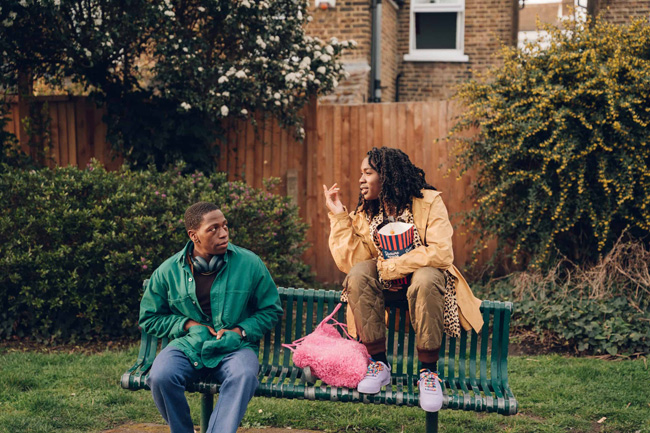
Raine Allen-Miller’s Rye Lane
Raine Allen-Miller’s Rye Lane is a triumphant feature debut that injects fresh energy and visual flair into the romantic comedy genre.
Set over the course of one gloriously chaotic day in South London, Raine Allen-Miller’s triumphant feature debut follows Dom (David Jonsson) and Yas (Vivian Oparah), two heartbroken strangers who meet in the unlikeliest of places – a gender-neutral toilet at an art gallery. What begins as an awkward encounter quickly turns into a vibrant odyssey through their shared cityscape, where neon-lit chicken shops and sprawling markets become backdrops for conversations that range from heartbreak to hope.
Allen-Miller brings an electrifying style to every frame, using ultra-wide lenses, rich colour saturation, and bold costume design to mirror the emotional highs and lows of her characters. It’s rom-com reimagined through a kaleidoscope of culture, wit, and personality that feels completely the director’s own.
Allen-Miller’s nuanced attention to character and dialogue is particularly impressive. Dom and Yas are never reduced to genre archetypes; instead, their quirks, flaws, and individual wounds are explored with empathy and humour. It’s a joyful, stylistically bold film.
Dreams Of A Life
Dir. Carol Morley (2011)

Dreams of the Life, a drama-documentary, is a sobering experience under the eye of director Carol Morley who retraces the life of Joyce Carol Vincent, a Londoner, who was found dead in her flat in 2006. She’d been there for almost three years, her body surrounded by wrapped Christmas presents and her TV still switched on.
She was only found when the council repossessed her flat due to rent arrears but her skeletal remains made it impossible to determine a cause of death. What’s more saddening is the fact this woman had seemingly been forgotten by friends and family, including four sisters who did not know of her death and wanted nothing to do with the film.
Dreams of a Life is interesting in how it examines memories (depicted through interviews with those who knew Joyce), celebrating the purpose and meaning of life through the recollections of those that interacted with this one in particular. It also raises important questions about such things as the welfare state and the society that seemed to let her down.
How To Have Sex
Dir. Molly Manning Walker (2023)

Mia McKenna-Bruce in How to Have Sex.
How to Have Sex is a bold and emotionally resonant debut from writer-director Molly Manning Walker who brings extraordinary precision and empathy to a story that feels both timely and timeless. Following 16-year-old Tara (a mesmerising Mia McKenna-Bruce) and her two friends on a post-GCSE party holiday to Malia, Crete, the film sets up the familiar tropes of teen comedies – boozy escapades, sexual conquests, rites of passage – only to strip them back and explore the murky, often unspoken emotional realities beneath.
Walker’s assured direction allows moments of exuberance and humour to sit alongside scenes of deep vulnerability and discomfort, particularly as Tara navigates pressure from her peers and her own uncertainty around sex and identity. It’s this tonal dexterity – funny, raw, and haunting all at once – that elevates How to Have Sex into something far more powerful than its title suggests.
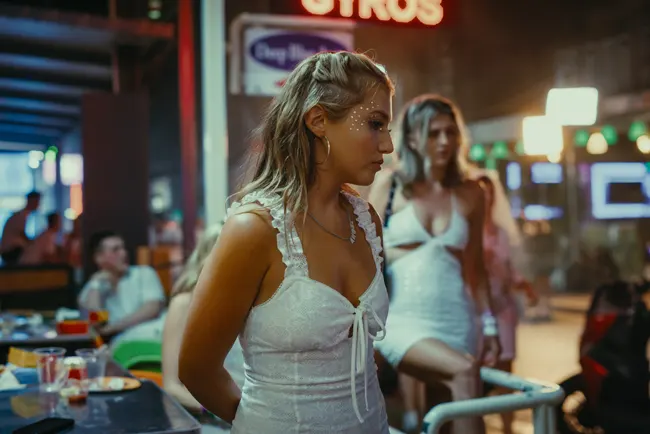
Walker captures the way teenage girls perform adulthood while lacking the tools to express their fears or needs. Tara’s emotional arc unfolds not through exposition but through McKenna-Bruce’s astonishingly expressive performance, with crucial scenes relying on silence, glances, or the weight of a single breath.
Walker uses sound with equal precision, shifting the focus from pounding dance music to the tremble of anxious breathing in a club full of bodies, rendering Tara’s isolation all the more poignant. How to Have Sex is not just about growing up, but about recognising how ill-equipped we are to face adulthood when language fails us.
We Need To Talk About Kevin
Dir. Lynne Ramsay (2011)

I felt like the one being bullied in Lynne Ramsay’s provocative We Need To Talk About Kevin about one mother’s turmoil in the aftermath of her son’s high school killing spree.
There’s an emotional ferocity to the way the writer-director nightmarishly portrays Tilda Swinton’s hollowed out response to the destructiveness of her offspring, the director mixing tenses to disorientating effect.

We Need To Talk About Kevin’s unique power is its ability to bully the viewer just as the protagonist must endure her tormentors. It is unforgivably hard to watch but its inherent sadness is its greatest power as the undercurrent of anger and remorse bubbles almost noiselessly in every scene.
Ali & Ava
Dir. Clio Barnard (2021)
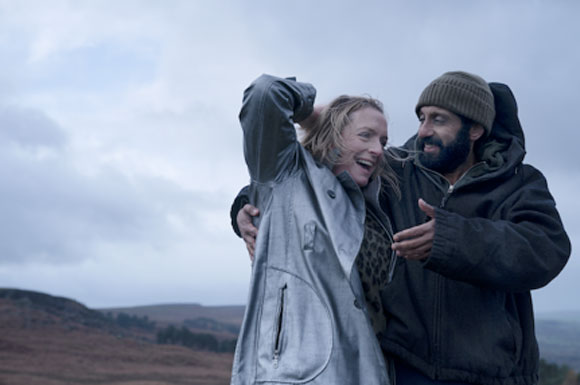
Clio Barnard’s Ali & Ava is a tender and richly textured drama that underscores the filmmaker’s evolving talent and sensitivity to working-class British life. Known for her emotionally resonant, socially aware storytelling, Barnard here strikes a refreshingly optimistic tone, crafting a love story that feels both grounded and uplifting.
Set over a lunar month in Bradford, the film follows the growing bond between Ali (Adeel Akhtar), a music-loving British Asian landlord coping with the quiet grief of a failed marriage, and Ava (Claire Rushbrook), a warm-hearted classroom assistant with a complicated family history. Their connection, sparked through shared moments of musical discovery, blossoms into a moving portrait of late-life romance. Barnard’s direction is quietly masterful, blending poetic realism with spontaneous bursts of joy – often expressed through song – and drawing deeply authentic performances from her cast.
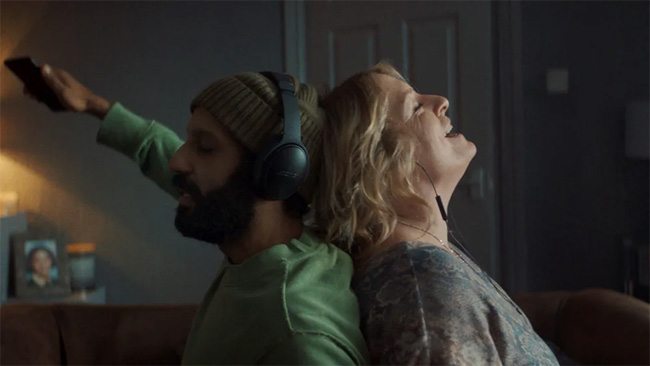
Indeed, both Akhtar and Rushbrook are superb, delivering performances full of warmth and vulnerability. As with her earlier films The Selfish Giant and The Arbor, Barnard draws inspiration from real lives, but here she leans into hope and connection rather than despair. The result is a poignant celebration of companionship, music, and the subtle strength of ordinary people – a quietly radical film that confirms Clio Barnard as one of Britain’s most gifted storytellers.
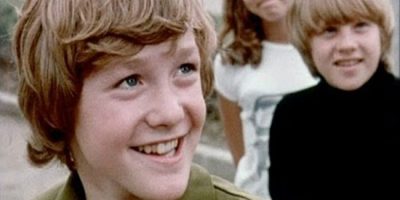
Scrapper
Dir. Charlotte Regan (2023)
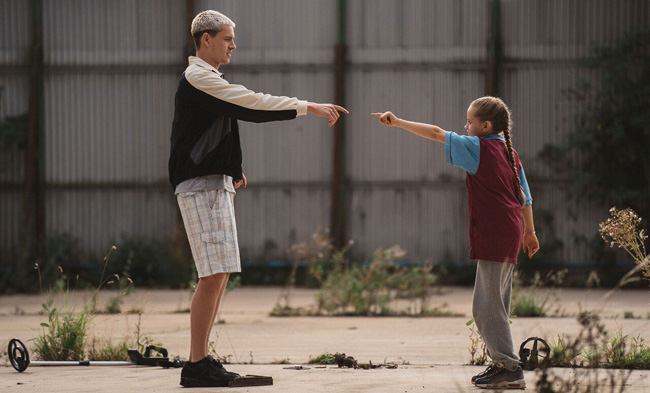
Charlotte Regan’s Scrapper
Charlotte Regan’s Scrapper is an extraordinary directorial debut that masterfully balances grit, humour, and heart, showcasing her remarkable talent for blending raw emotional truth with inventive storytelling. After the death of her mother and with her absent father nowhere to be found, 12-year-old Georgie (Lola Campbell) fabricates an elaborate lie to avoid foster care, enlisting a convenience store clerk to pose as her uncle.
Living alone in her childhood home, Georgie survives by stealing bikes to sell for scrap, embodying a fierce resilience. When her long-lost father Jason (Harris Dickinson) unexpectedly appears, the dynamic between these two damaged but spirited characters unfolds with surprising warmth and complexity. Regan’s fluid direction embraces whimsy, pathos, and even meta moments where neighbours break the fourth wall, enriching the drama with a fresh and playful tone.

Regan’s fearless approach to storytelling is a joy to see. She refrains from melodrama, instead presenting grief and survival through the eyes of a child who is both vulnerable and cunning. Campbell’s authentic, untrained performance anchors the film, while Dickinson’s portrayal of Jason adds nuance to the flawed but kind-hearted father figure. Regan’s inventive use of stylistic flourishes, such as the colour-coded Greek chorus neighbours and Georgie’s imaginative perspective, turn the film’s hardship into a compelling, messy, and beautiful cinematic experience. Scrapper is a vivid testament to human resilience and creativity.
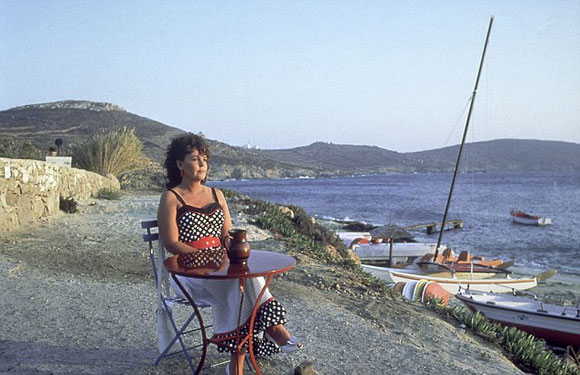
Aftersun
Dir. Charlotte Wells (2022)
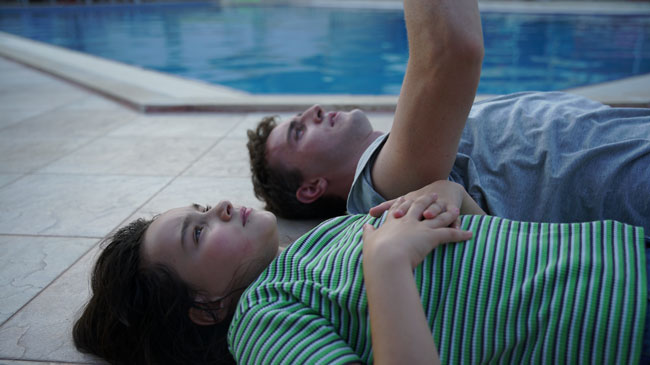
Aftersun | IMAGE: Sarah-Makharine
Charlotte Wells’ Aftersun is a remarkably assured feature debut that showcases her extraordinary talent for capturing fleeting moods and subtle emotional truths with a delicate, naturalistic touch. Set in the 1990s, the film follows Calum (Paul Mescal), a divorced father, and his nine-year-old daughter Soph (Frankie Corio) on a modest summer holiday at a budget resort in Turkey.
Rather than relying on dramatic plot points, Wells lets the story unfold through intimate, everyday moments – their karaoke attempts, poolside chats, and quiet reflections – that shimmer with unspoken complexity. Her direction is confident and nuanced, allowing the drama to ripple like a haunting short story, where memories accumulate meaning over time. The structure, weaving between present-day flashbacks and adult Soph’s perspective, is handled with rare flair, creating a poignant meditation on childhood and the often-mysterious emotional landscape of memory.
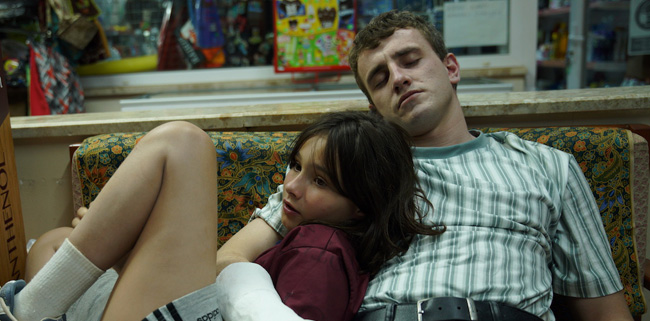
At the heart of Aftersun lies the tender and effortless chemistry between Mescal and newcomer Corio, who brings a natural authenticity to her role without the trappings of precociousness. Wells’ skilful direction draws out performances that feel genuine and richly layered, capturing the bittersweet balance of joy and melancholy that defines this father-daughter relationship.
The film’s gentle pacing and understated style avoid melodrama, instead inviting viewers into a deeply personal experience of love, loss, and the way our memories reshape the past with new meaning. With its poetic restraint and emotional depth, Aftersun confirmed Wells as a striking new voice in contemporary cinema.
Discover more on Top 10 Films
10 Great Movies Set In Scotland You Might Not Have Seen
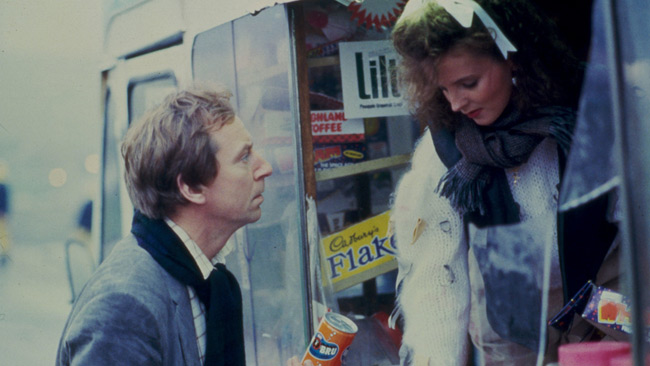
Top 10 Films heads to Scotland to sample some of the country’s lesser-known gems.











Comments