
 By
By We head into the newsroom for the latest scoop as Top 10 Films checks out some of the greatest films about journalists from those covering the stories behind computers and desks to those in the field, up close and personal to war, conflict and danger.
Our look at memorable cinema focused on journalists includes newspaper and magazine writers, photographers and TV news reporters as these intrepid men and women look to get to the truth.
From real-life stories to pure fiction, from war and conflict to human interest and corporate espionage, from comedy to tragedy, from the battlefield to the news desk, our list covers plenty of bases.
The best movies about journalists
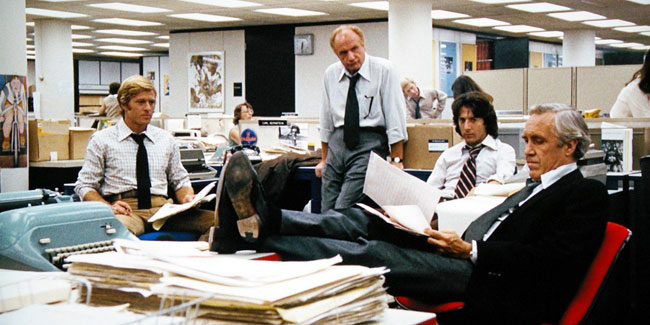
When we think of the best movies about journalists there’s usually one that comes straight to mind for cinephiles – Alan J. Pakula’s All the President’s Men. There’s a very good reason for that: it’s nail-bitingly thrilling and champions newspaper reporters as bona fide heroes.
But, as we’re about to find out, it isn’t the only one, particularly those that, like Pakula’s thriller which focuses on the build-up to Richard Nixon’s downfall amidst the Watergate Scandal, boast compelling true stories as the backdrop to their dramatic tales of journalistic endeavour.
That’s not to say the films conceived in the imaginations of novelists and screenwriters are any less fascinating. Stand outs include The Front Page and His Girl Friday, each of which was inspired by the play by Ben Hecht and Charles MacArthur, and The Girl with the Dragon Tattoo which was adapted for the screen in 2009 and 2011 based on Stieg Larsson’s international best-selling novel.
Eyewitness
Dir. Yates (1981)
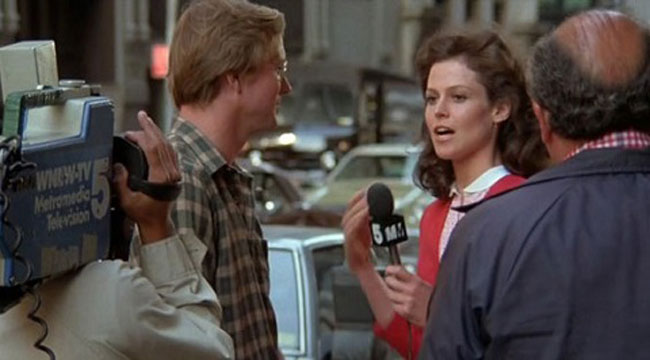
Eyewitness might be better known for its stellar cast than for its merits as a neo-noir but it still has a few thrills up its sleeve to keep audiences interested. It follows the unlikely teaming of a television news reporter and a janitor trying to solve a murder. Sigourney Weaver, William, Hurt, James Woods and Christopher Plummer star.
Although not at as successful as their previous collaboration, director Peter Yates and screenwriter Steve Tesich work together once again following the exceptional coming-of-age sports drama, Breaking Away.
While Eyewitness received a mixed response from the critics, Roger Ebert wrote a glowing review, stating that it distinguishes itself because of how it care “about the texture of the scenes leading to the denouement” and that the characters are developed with such “offbeat fidelity to the way people do behave that we get all the more involved in the mystery.”
The Front Page
Dir. Wilder (1974)
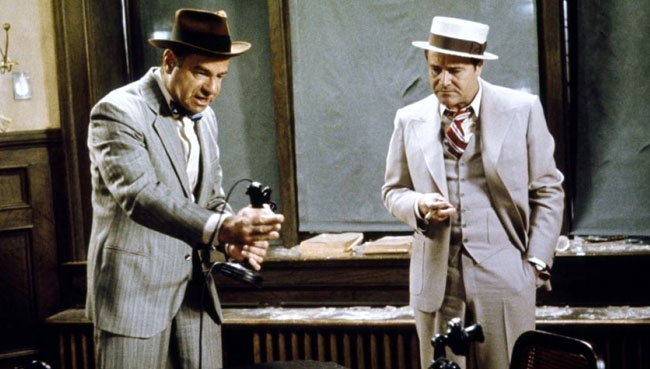
Starring the incomparable acting duo Walter Matthau and Jack Lemmon, The Front Page, like Howard Hawks’ His Girl Friday from 1940, is based on Ben Hecht and Charles MacArthur’s 1928, and here finds a retiring reporter coaxed into covering one last story by his ruthless editor.
Whisky Tango Foxtrot
Dir. Ficarra / Requa (2016)
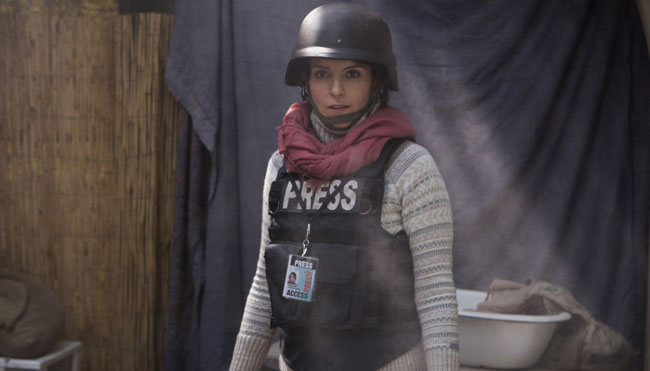
From the directors behind foul-mouthed Christmas classic, Bad Santa, Whisky Tango Foxtrot sees Tina Fey play real-life reporter Kim Barker’s experiences of covering the war in Afghanistan.
The film is based on Barker’s memoir The Taliban Shuffle: Strange Days in Afghanistan and Pakistan, and presents a comedic look at an inexperienced war correspondent learning the role on-the-job.
Philomena
Dir. Frears (2009)

Stephen Frears’ comedy-drama based on journalist Martin Sixsmith’s (played here by Steve Coogan) book The Lost Child of Philomena tells the true story of Sixsmith’s work with Philomena Lee (Judi Dench).
The woman, who came from a very conservative, religious family, had sex outside of wedlock. Her son was eventually taken away from her and adopted as a toddler. Sixsmith, although reluctant to tackle a human interest story, decides to help in her search for the boy who was born more than 50 years prior.
The Girl With The Dragon Tattoo
Dir. Fincher (2011)

David Fincher’s 2011 adaptation of Swedish writer Stieg Larsson’s novel comes two years after Niels Arden Oplev made a Swedish language version with Noomi Rapace in the role taken here by Rooney Mara.
The Girl with the Dragon Tattoo follows the story of journalist Mikael Blomkvist (Daniel Craig) after he is invited to solve a missing persons case by wealthy patriarch Henrik Vanger (Christopher Plummer) in return for “dirt” on a businessman who has taken out a libel case against him.
Fletch
Dir. Ritchie (1985)
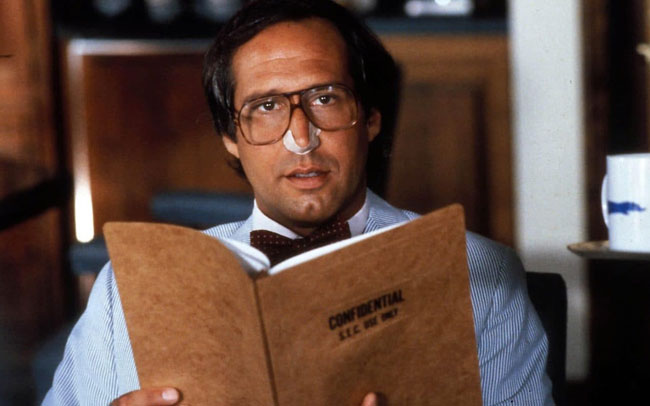
Based on the popular novels by Gregory McDonald, Fletch tells the story of quick-witted, smooth-talking newspaper reporter Irwin M. Fletcher (Chevy Chase). While investigating the drug trade for his latest story, he disguises himself as a homeless junkie who wanders the beach in search of his next hit.
One day he is approached by Alan Stanwyk who asks Fletch to murder him. Apparently, Stanwyk has an inoperable disease and wants his family to receive his life insurance. Fletch agrees after being offered a large amount of money but is suspicious of Stanwyk’s motives.
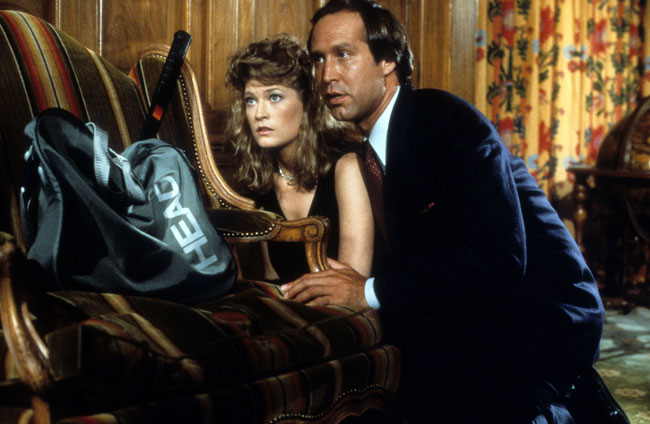
Stanwyk has no clue Fletch is an undercover reporter, believing him to be a street bum of no consequence. When Fletch digs deeper he finds that Stanwyk does indeed have a few skeletons in the closet and the whole murder plot maybe a set-up.
The Killing Fields
Dir. Joffe (1984)

The Killing Fields is based on the experiences of two journalists – Cambodian Dith Pran (Haing S. Ngor) and American Sydney Schanberg (Sam Waterston) – and focuses on the Khmer Rouge regime in Cambodia.
A captivating, shocking and brutally honest film, The Killing Fields features the gorgeous photography of Chris Menges, and bold, brilliant performances, especially Ngor who won an Oscar for Best Supporting Actor.
The actor benefits from the sparse nature of Bruce Robinson’s stellar script in the film’s second half (which emphasises the brutality of war with subtle shocks and sanguinity) when Dith Pran is left to fend for himself after the deportation of foreign journalists.
When The Sky Falls
Dir. Mackenzie (2000)
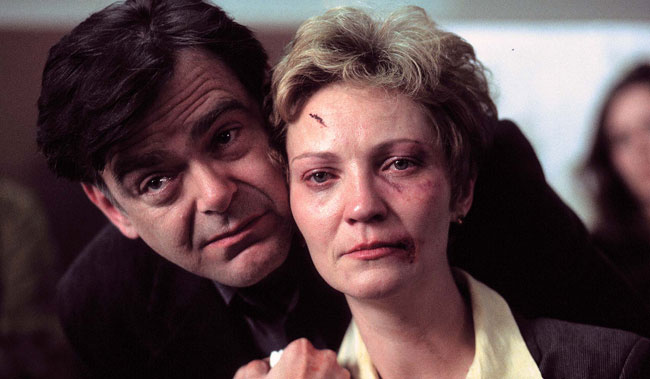
From the director of The Long Good Friday, When the Sky Falls takes its inspiration from the tragic true story of Irish newspaper reporter Veronica Guerin who was killed after exposing drug barons operating in Ireland.
Director John Mackenzie tackles the story with the gritty realism he’s recognised for, focusing on both an investigative journalist’s pursuit of the gang leaders and the police’s struggle to build a credible case against those at the top of the criminal underworld.
Almost Famous
Dir. Crowe (2000)

Cameron Crowe has made some of the most iconic American movies of the past 30 or 40 years as writer and/or director. It mustn’t be forgotten he wrote Fast Times At Ridgemont High way back in the early 1980s – the film was directed by Amy Heckerling and released in 1982.
He followed up that success with the seminal Say Anything. He has always had a knack of writing great young characters – he has a passion for youthful misadventure and highlighting human development through life experience.
Many of his films are informed by his own experiences as a young writer. Almost Famous is his finest film as it brings all that together. It’s a loose biography of his own young life and a homage to rock n roll, youthful exuberance and everlasting friendship told through the eyes of teenage journalist William Miller.
Salvador
Dir. Stone (1986)

Focused in an unflinching way on the atrocities being committed by the army, militia, local police and government officials in El Salvador, James Woods’ veteran photojournalist Richard Boyle finds himself in the middle of the warring sides while trying to rescue his girlfriend and her children.
He exudes a palpable sense of uncertainty in this cloyingly humid and starkly depicted carnage, as point blank town square executions are mixed with brutal roadside rape.

There is an overwhelming sense of “on the lamb” improvisation combined with rapid fire dialogue exchanges that would make Salvador even less commercial today than it was in 1986. Peppered with Vietnam comparisons both literal and otherwise, only The Killing Fields with its focus on Cambodia comes close to being a companion piece.
Ace In The Hole
Dir. Wilder (1951)

Ace in the Hole (also known as The Big Carnival) is a cynical satire of media sensationalism as well as its audience. Despite the fact that the movie starred Kirk Douglas and Wilder had delivered one of his greatest commercial hits the year previously, Ace in the Hole was both a critical and financial failure at the time. But the film has grown tremendously in stature over the years and is now considered amongst his greatest works.
Chuck Tatum (Douglas) is a reporter who has lost his job at various major newspapers due to his rebellious character. Now working for a small paper in Albuquerque, he comes across a story that he thinks might propel him back into the big time. A man has been trapped in a mine shaft and Chuck manipulates the situation (going as far as to ensure the less effective rescue method is used in order to prolong the situation) and distorts the facts in order to spice up the story.
A bitter indictment of the way the press handles and portrays the news, Ace in the Hole was probably way ahead of its time as audiences weren’t interested in such cynical fare at the time. Just like Sidney Lumet’s Network, a film which Ace in the Hole shares a clear thematic theme with, the movie was way ahead of its time and is still completely relevant today.
Absence Of Malice
Dir. Pollack (1981)

Absence of Malice (1981) | (c) Columbia
While many of the great movies about newspaper journalism champion the role of the reporter in uncovering scandal, corruption, criminal activity and speaking truth to power, Absence of Malice refreshingly turns that on its head to unveil the inherent weakness in news reporting when the need to sell papers and appease the demands of advertisers makes truth a secondary concern.
Bolstered by two powerhouse performances from leads Sally Field and Paul Newman, Sydney Pollack’s antidote to the journalist gallantry seen in All The President’s Men, also features one of Melinda Dillon’s best appearances in a support role of a woman who becomes an important witness in reporter Megan Carter’s story about mafia-connected Michael Gallagher’s role in the murder of a union official.
Veronica Guerin
Dir. Schumacher (2003)

Cate Blanchett’s strong performance is a central part of biographical film Veronica Guerin’s successful retelling of one woman’s determination to destroy the illegal drug trade in Ireland.
Joel Schumacher directs this compelling drama about Guerin’s investigative journalism over the course of two years. Beginning with her assassination, the film flashes back to the devoted and courageous reporter’s determination to shed light on the perpetrators behind Dublin’s increasing drug problem.
The Interview
Dir. Rogen / Goldberg (2014)
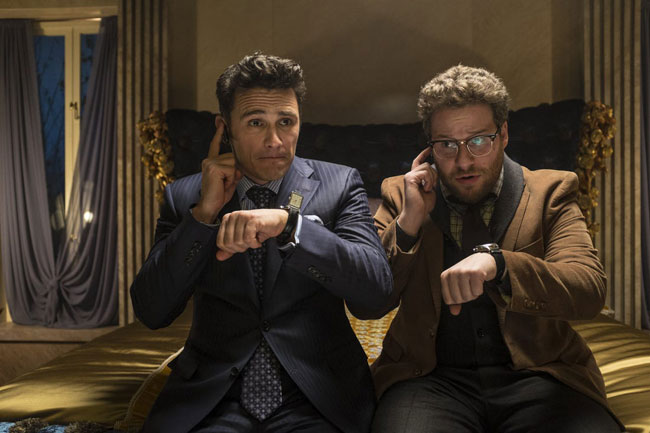
Seth Rogen and James Franco team-up for this satirical comedy about a pair of journalists who are recruited by the CIA to assassinate Kim Jong-un after they set up an interview with the North Korean dictator.
The film conspired to create plenty of controversy: North Korea threatened action against the USA if Sony released the film; hackers linked to the country hit Sony computers; the same hacking group also threatened terrorist attacks against theatres showing the movie; and death threats were sent to the film’s producers.
Messenger Of Death
Dir. Thompson (1988)

Charles Bronson plays Garret Smith in J. Lee Thompson’s Messenger of Death, a Denver newspaper reporter who stumbles across a small town harbouring secrets that involve murder, religious crackpots and a conspiracy to control a water supply.
Don’t Torture A Duckling
Dir. Fulci (1972)
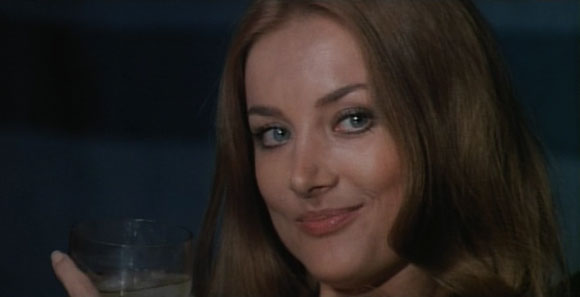
The giallo is primarily an urban and decidedly modern (from a 1970s perspective) genre, albeit with a few notable exceptions. One of these is Fulci’s 1972 trip into the rural south, which sees a rustic community gripped with paranoia as a killer preys on its male children, killing them while they’re on the cusp of adolescence.
Criticism of both the Catholic Church and religious superstition in general figure heavily in this bleak and often misanthropic tale, in which the two most sympathetic figures, and its de facto protagonists, are a ruthless big city journalist (Tomás Milián) and a recovering drug addict (Barbara Bouchet) whose predilections towards pubescent boys are not exactly subtle.
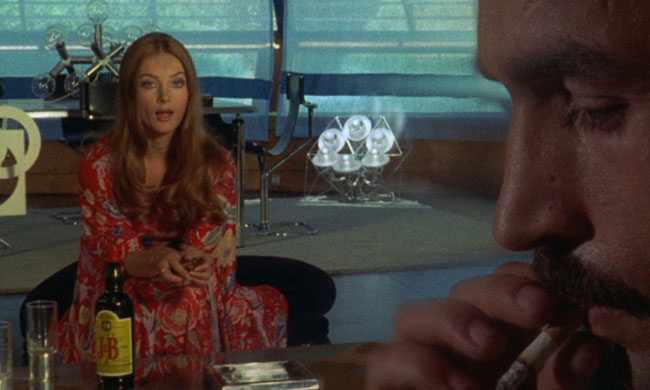
Duckling also features what may be the most brutal scene Fulci ever filmed (which takes some doing), in which the local “witch” Maciara (Florinda Bolkan), almost unrecognisable from her role in A Lizard In A Woman’s Skin) is cornered in a graveyard by some of the local men and chain-whipped to death.
The moment when, in her death throes, she crawls to the roadside seeking help, and is unnoticed (or ignored) by the commuters driving up the concrete road that slices through the tranquil countryside, is both tragic and unbelievably poignant.
A Private War
Dir. Heineman (2018)
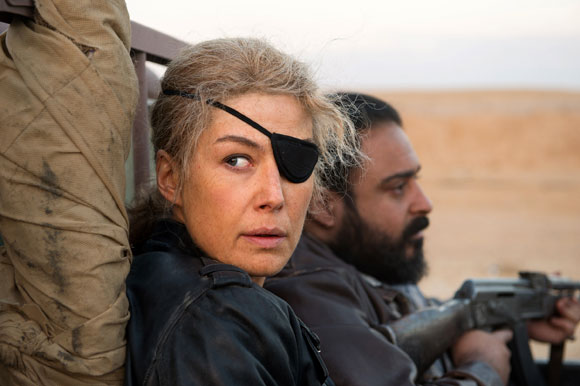
Inspired by Marie Brenner’s 2012 Vanity Fair article, “Marie Colvin’s Private War”, the film stars Rosamund Pike as the heroic journalist who journeys into the world’s most dangerous locations to give a voice to the voiceless.
Zodiac
Dir. Fincher (2007)

Detailing the true story of the Zodiac murders in San Francisco during the 1960s and 1970s from the perspective of a political cartoonist (Jake Gyllenhaal) who becomes obsessed with the case, David Fincher’s film, thanks in part to the director’s extensive research, makes for compelling viewing. If you like Seven or Silence of the Lambs, you’ll like this one.
His Girl Friday
Dir. Hawks (1940)
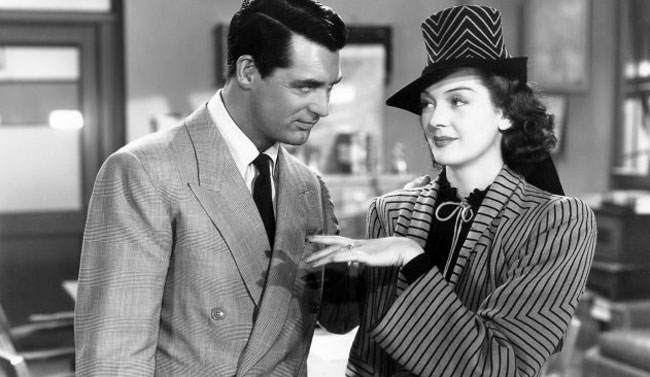
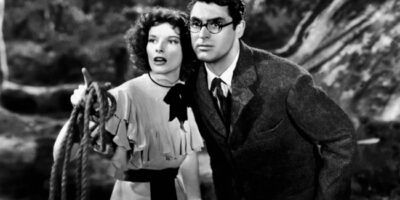
Howard Hawks’ 1940 film about a newspaper editor (Cary Grant) trying to find any way – including an assortment of underhand tactics – to both prevent his ace reporter and ex-wife Hildy Johnson (Rosalind Russell) from leaving the newspaper and win her back from new fiancé Bruce Baldwin (Ralph Bellamy) is considered the archetype of screwball comedy and a high point for all involved.
The scattershot, quick-fire dialogue never ceases to delight with Grant especially in his element as the egotistical Walter Burns whose instant smarts and suave sophistication are matched only by former wife Hildy who finds herself in a tug of one-upmanship amid exposing political corruption in order to save a man’s life from the gallows.
Under Fire
Dir. Spottiswoode (1983)

Photojournalism at its most daring. Here Nick Nolte plays daredevil “periodista” Russell Price who heads to Nicaragua to cover the political unrest leading to the Sandinista National Liberation Front (FSLN) ousting dictator Anastasio Somoza Debayle. The fighting on the streets is the ideal scoop for the photographer but this is complicated by his sympathies for the revolutionaries and his affections for fellow journalist Claire (Joanna Cassidy).
Deep Red
Dir. Argento (1975)

Arguably the pinnacle of Dario Argento’s career and almost certainly the giallo’s finest moment, Deep Red was Argento’s triumphant return to the genre after a brief and unsuccessful foray into historical comedy with the ill-fated The Five Days of Milan.
While essentially a retelling of The Bird with the Crystal Plumage, this later film ups the ante in every respect. The kills are more brutal, the camerawork more audacious, the production design more grandiose and the gender politics more upfront.
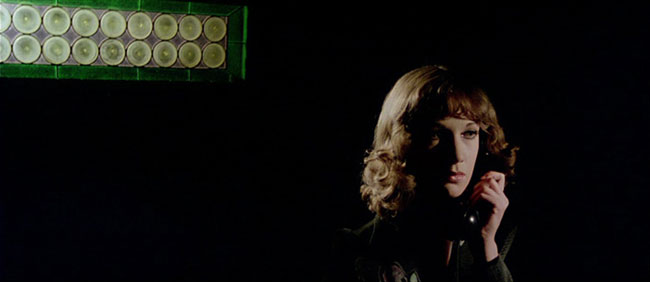
In a sort of uncredited reimagining of Blowup, David Hemmings plays a role not dissimilar to the one he inhabited in the Antonioni film — that of jazz pianist Marcus Daly, who witnesses the murder of his upstairs neighbour and becomes embroiled in the hunt for her killer after convincing himself that something about the murder scene didn’t quite fit.
Along the way, he teams up with journalist Gianna Brezzi (played by Argento’s on-off partner Daria Nicolodi), and the sparring between them is some of the wittiest and most sharply-observed Argento has ever committed to film. (The sight of Hemmings crying foul after losing a “battle of the sexes” arm-wrestling contest to Gianna, only to later grudgingly concede that women may have brute strength but that men have the brains, is too funny for words.)
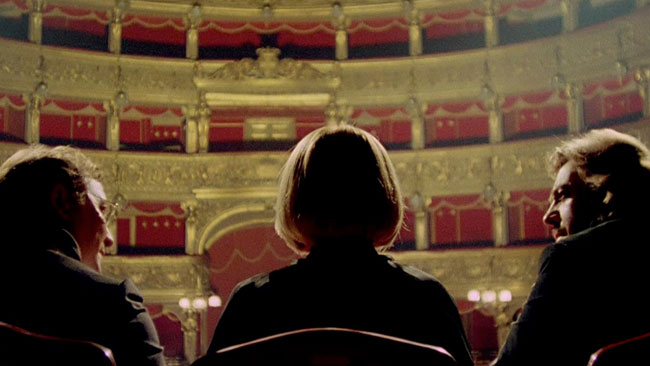
As the 70s waned, Argento became less interested in narrative and more obsessed with style for style’s sake. While this meant that his work in the next couple of decades was more of a mixed bag (before, in the twenty-first century, he seemingly gave up on style as well), Deep Red is a perfect melting pot of both style and substance — and a giallo that you don’t just watch, you experience.
The Passenger
Dir. Antonioni (1975)

Michelangelo Antonioni’s 1975 film follows Jack Nicholson’s journalist, David Locke, as he assumes the identity of a dead man while working in Chad, unwittingly impersonating an arms dealer with connections to rebels fighting a civil war in the country.
On the face of it, Antonioni’s preoccupation with identity and human observation is very simple, yet through Nicholson and Maria Schneider he is able to craft a film of arresting impact.
Black Rainbow
Dir. Mike Hodges (1989)
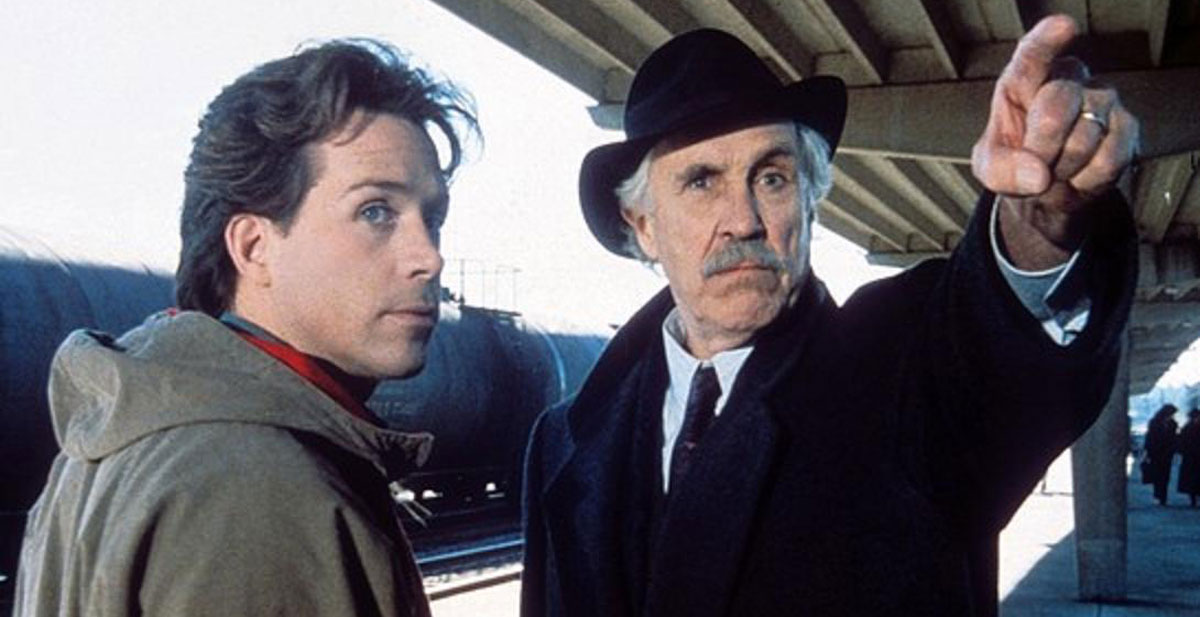
At the centre of the story is Martha Travis (Rosanna Arquette), a medium who – along with her alcoholic father Walter (Jason Robards) – travels across the southern US bible belt putting on shows (think a far more attractive version of John Edward here) for those curious as to how their loved ones are doing on the other side.
One night, however, she starts predicting events – with the first being the murder of Tom Kuron (Olek Krupa), which the psychic makes at a town meeting while the yet-to-be-dead man’s wife (Linda Pierce) is asking her about someone else.
As it turns out Kuron is about to blow the whistle on some health and safety breaches at the local nuclear fuel plant. To keep him quiet, his eradication is arranged by the facility’s owner (and town mayor) Ted Silas (John Bennes), who hires the gunman Lloyd Harley (Mark Joy) from Chicago to carry out the hit.
When the initial report regarding the murder is run by the local paper, the journalist responsible for penning the scoop – Gary Wallace (Tom Hulce) – follows up on the story, partly to see if Martha can reveal the identity of the killer. In the meantime Harley starts tracking the medium down so he can silence her.
The China Syndrome
Dir. Bridges (1979)

A reporter and her cameraman (Jane Fonda and Michael Douglas) find themselves harassed by the corporation running a nuclear power plant in California after they secretly film an accident that could have resulted in hundreds of thousands of deaths. Hindered at every step, even by their own news station, the pair think they’ve found the solution when employee – Jack Lemmon’s Jack Godell – decides to blow the whistle.
Superman
Dir. Donner (1978)

Christopher Reeve as Superman
Not a film many will think about when considering the best films about journalists but if it wasn’t for The Daily Planet’s Clark Kent and roving reporter Lois Lane we’d probably be calling Lex Luthor president and enduring some kind of apocalypse right now.
State Of Play
Dir. Macdonald (2009)

Director Kevin Macdonald keeps the tension high in State of Play, a film about journalists at the fictional Washington Globe uncovering corruption and politically motivated murder involving a US Congressman and his investigation into private defence contracts.
The film features one of Russell Crowe’s best performances as a dishevelled newspaper veteran who takes eager young reporter Della Frye (Rachel McAdams) under his wing as the pair risk their lives in an attempt to get to the bottom of the mystery. State of Play will keep you guessing – and on the edge of your seat – until the very end.
Kill The Messenger
Dir. Cuesta (2014)
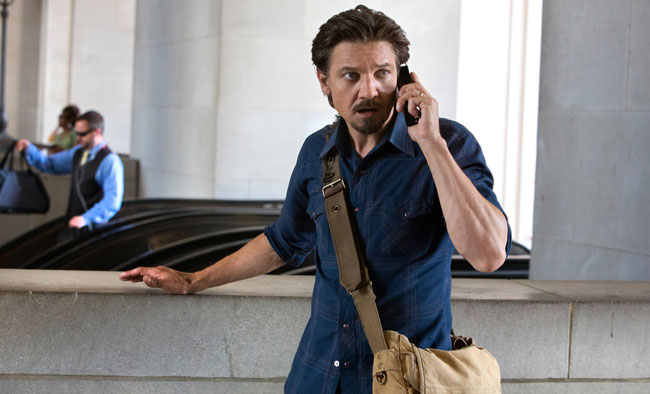
Based on a pair of books (by Nick Schou and Gary Webb) detailing the work of the late San Jose Mercury-News reporter Gary Webb, Kill The Messenger focuses on the journalist’s attempts to uncover evidence of CIA involvement in Nicaraguan Contra cocaine trafficking.
The Post
Dir. Spielberg (2017)
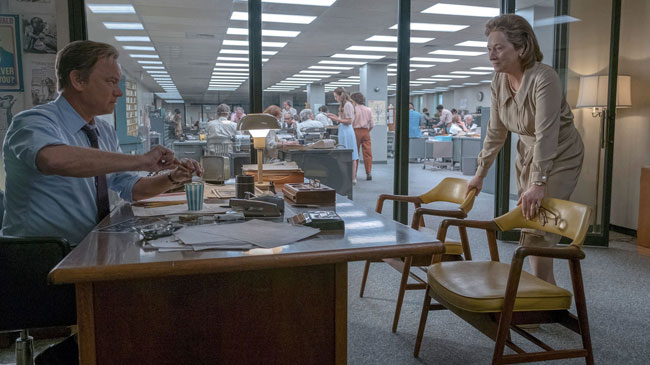
Released in 2017, Steven Spielberg’s film about The Washington Post’s attempts to publish revelations from The Pentagon Papers is ostensibly a historical drama but draws a sense of timely unease given comparisons between the corrupt Nixon administration and the then Presidential incumbent, Donald Trump.
Continuing the director’s collaboration with ace cinematographer Janusz Kamiński (which began with Schindler’s List in 1993), The Post’s 1971 setting comes to vivid life with an almost dreamlike quality. Certainly, it’s a technical tour de force as Spielberg showcases the wonderful production design with a restrained approach, often using long single takes, and some admirable dolly and tracking shots.
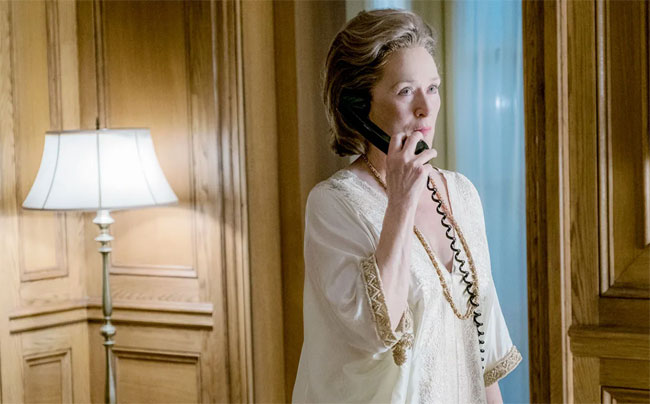
The director also knows his cast (which includes brilliant performances from Meryl Streep, Tom Hanks, Bob Odenkirk and Tracy Letts) can handle a slow, dramatic move into close-up.
One of the stand out scenes highlights Streep’s genius. She turns a phone call about greenlighting The Washington Post’s sensational government expose into an astonishingly dramatic moment. Perfectly timing her line after a tension-building silence, we see a nervous biting of the lip, her glazed eyes illuminated by lamplight.
In a story built around board tables, typewriters, and late-night conversations about legality and lawsuits, The Post’s greatest accomplishment is in its appearance of simplicity. This isn’t one of Spielberg’s great swashbuckling adventures but in its own way it’s just as thrilling.
The Pelican Brief
Dir. Pakula (1993)

Denzel Washington plays a Washington Herald reporter protecting a law student who has uncovered an unsettling truth (Julia Roberts), in this high-stakes thriller based on a John Grisham novel.
Deadline
Dir. Brooks (1952)

Humphrey Bogart can’t stay away from a story, even when his paper The Day is just three days away from being shut down. With only a few days to go, he launches a crusade against a local gangster he believes is responsible for murder and gets to make plenty of desk-bashing speeches in the process (“as long as even one newspaper will print the truth – you’re finished!”).
Spotlight
Dir. McCarthy (2015)

Spotlight focuses on a team of investigative journalists from The Boston Globe who unearth evidence of systemic child sex abuse by priests of the Catholic Church. Loosely inspired by a series of stories published by the Spotlight team which earned the newspaper the 2003 Pulitzer Prize for Public Service, the film is a taut, tense drama with excellent performances from Michael Keaton, Rachel McAdams and Mark Ruffalo.
It builds its thrills through the journalists’ attempts to get through red tape and legal hurdles, alleviate witness fears to record testimony, and overcome the widespread, powerful church influence that’s built a wall of silence to hide its tracks, in order to publish a damning report into institutional crime.
All The President’s Men
Dir. Pakula (1976)

A film that continues to resonate culturally, politically and socially today, this true story of Carl Bernstein (Dustin Hoffman) and Bob Woodward (Robert Redford) uncovering the Watergate Scandal is a wonderful example of the beneficial role of news media, the courage of journalists to put everything on the line for the truth, and the importance to question those in authority, especially those charged with running the country. All The President’s Men is even more successful thanks to Redford teaming with Hoffman, two of Hollywood’s greatest actors in tandem.
If you enjoyed our look at the best films about journalists, you may also like:
Top 10 Thrilling Films About Newspaper Reporters
Julia Roberts in Alan J. Pakula’s The Pelican Brief (1993).
The most thrilling films featuring newspaper reporters from real-life heroes like Veronica Guerin and Woodward & Bernstein to fictional newspaper men and women like Gray Grantham and Megan Carter.
Top 10 Films About Investigative Journalism
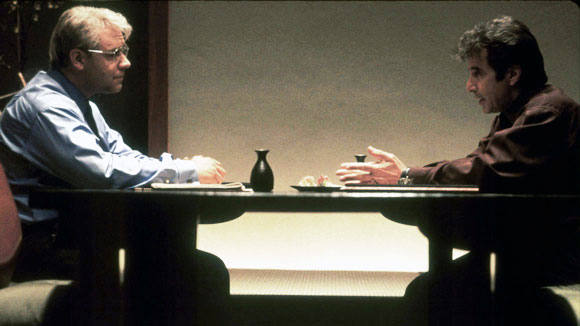
Independent journalism is critical to a functioning democracy and a fair society. These movies showcase determined reporters seeking the truth for the public good.









Comments