
 By
By For over a century, a singular silhouette has remained burned into the collective consciousness of the world: a bowler hat, a bamboo cane, oversized shoes, and a postage-stamp moustache. To some, he is simply The Tramp. To others, he is the king of tragedy. But to anyone who has ever felt the transformative power of a flickering image in a darkened room, Charlie Chaplin is the foundation upon which the cathedral of modern cinema was built.
As we navigate the complexities of the mid-2020s — an era defined by rapid technological shifts and global anxieties — revisiting Chaplin isn’t merely a nostalgic exercise. It is a necessary recalibration of our own humanity. Born in London to parents who struggled with the crushing weight of poverty and mental illness, Chaplin’s childhood was a Dickensian gauntlet of workhouses and street corners. Yet, it was this very trauma that forged his genius. He didn’t just invent a character; he synthesised the existential dread of the dispossessed and turned it into a universal language of defiance, empathy and belly laughs.
Chaplin’s work represents the bridge between the vaudeville stage and the sophisticated visual storytelling of the 21st century. He was a pioneer who wore every hat: actor, director, writer, producer, and even composer. He understood, perhaps better than anyone since, that humour heightens our sense of survival. His films are not museum pieces; they are, in the words of Roger Ebert, living, breathing “empathy machines” that challenge authority and celebrate the resilience of the human spirit.
For the uninitiated, the vastness of his filmography can be daunting. Where does one begin with a man who revolutionised the art form? Here are five essential films that serve as the perfect gateway into the world of Charlie Chaplin.
The Kid (1921)
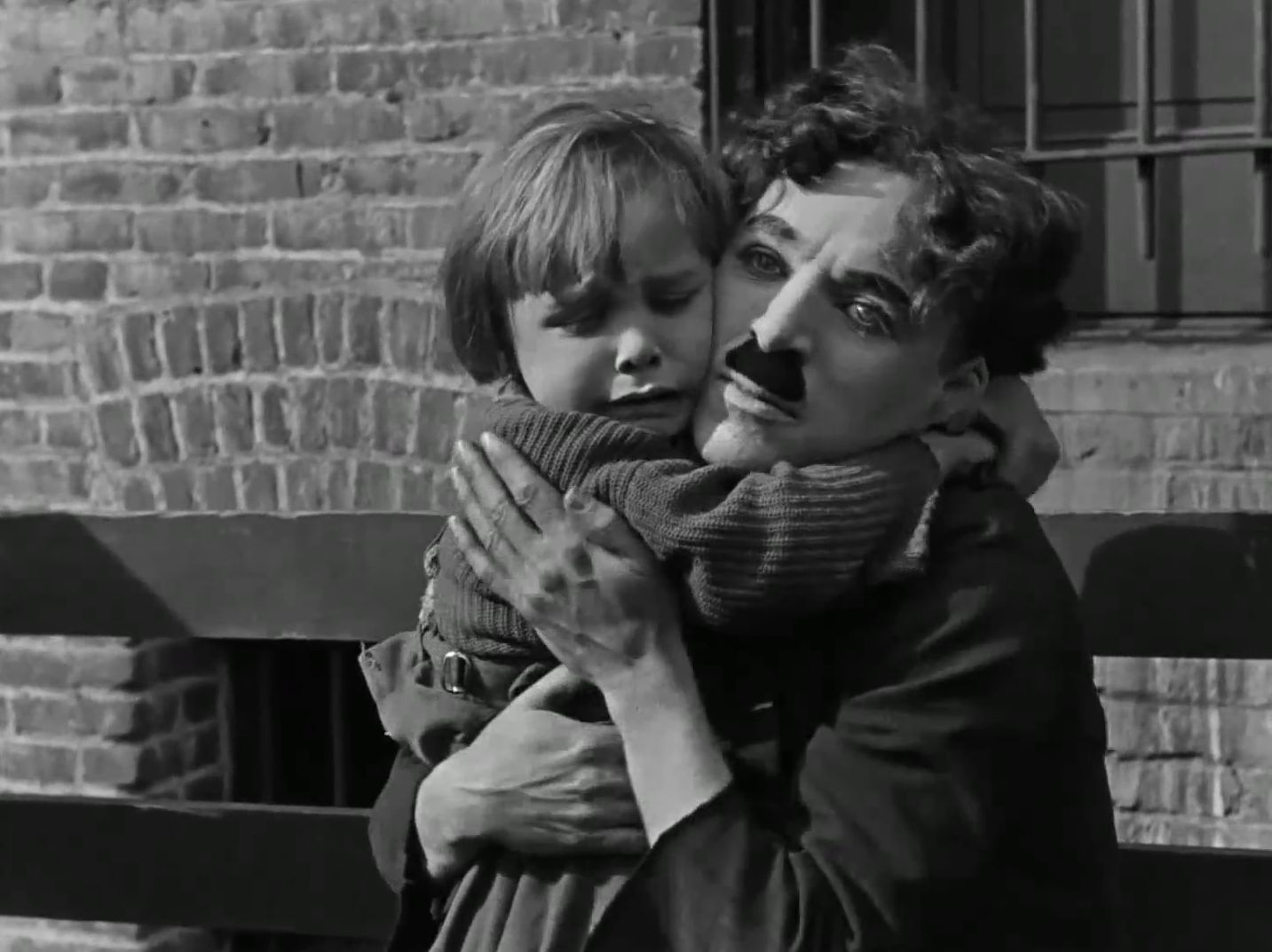
If you want to understand the Chaplin touch — that delicate, impossible balance between a pie-in-the-face and a tear-in-the-eye — look no further than his first full-length feature. The Kid is a masterclass in narrative economy. It tells the story of the Tramp discovering an abandoned child and raising him as his own in the slums.
It isn’t just the slapstick that makes The Kid so special (though the window repair scam remains one of the funniest bits in film history); it’s the raw, unfiltered emotion. Chaplin was drawing directly from his own impoverished youth, and the scenes where the authorities attempt to tear the child away from his surrogate father are among the most harrowing ever filmed. It proved that silent film could sustain deep, complex character arcs, cementing Chaplin not just as a clown, but as a formidable dramatist.
The Gold Rush (1925)

Often cited by Chaplin himself as the film he most wanted to be remembered for, The Gold Rush takes the Tramp to the frozen wastes of the Klondike. Here, the comedy reaches a level of choreographic precision that reveals his deep roots in the music hall tradition. Whether he is transforming two bread rolls into a pair of dancing feet or being forced to eat his own leather boot to survive starvation, Chaplin finds the grace in the grotesque.
It’s an essential Charlie Chaplin film because the Tramp, as Chaplin writes in his autobiography, is revealed to be a “lonely fellow always hopeful of romance.” His pursuit of the beautiful Georgia is both pathetic and noble, reminding us that even in the harshest environments — literal and social — the desire for connection is what keeps us upright. It is arguably the greatest slapstick comedy ever made.
City Lights (1931)

By 1931, talkies had taken over Hollywood, and many critics declared silent film dead. Chaplin, ever the rebel, doubled down. He released City Lights, a silent film with a synchronised musical score (which he composed himself), and proved that the power of the image could still outshine the novelty of speech.
The plot involves the Tramp’s attempts to raise money for an operation to restore the sight of a blind flower girl who believes he is a wealthy duke. The film features some of his most sophisticated choreography — specifically a boxing match that is a marvel of timing — but it is the ending that makes this mandatory viewing. The final close-up of Chaplin’s face is widely considered the greatest piece of acting in cinema history. It is a moment of pure, silent revelation that requires no dialogue to shatter the heart.
Modern Times (1936)

As the Great Depression gripped the world, Chaplin turned his lens toward the dehumanising effects of industrialisation. Modern Times is a biting satire of the assembly line, famously featuring the Tramp being fed into the literal gears of a giant machine.
This film is a crucial transition point. It was the last time Chaplin would play the Tramp in a feature, and it serves as his swan song to the silent era. In a brilliant meta-commentary, Chaplin finally lets the Tramp speak at the end of the film, but he does so by singing a song in gibberish. It was a defiant statement: the Tramp’s soul is universal, and to pin him down to a single language or a single voice would be to diminish his power. Today, the film’s critique of productivity at all costs feels startlingly contemporary.
The Great Dictator (1940)

If the previous films established Chaplin as an artist, The Great Dictator established him as a prophet. Filmed while the United States was still neutral and the world was falling to fascism, Chaplin took the ultimate risk: he used his global fame to mock Adolf Hitler.
Playing the dual roles of a humble Jewish barber and the tyrannical Adenoid Hynkel, Chaplin utilised his likeness to the German dictator to strip him of his power through ridicule. The film concludes with a six-minute speech delivered directly to the camera — a plea for brotherhood, liberty, and the rejection of hate. It was the first time the world truly heard Chaplin’s own voice, and the message remains the most potent political statement ever committed to celluloid. It is a reminder that art has a duty to stand against the darkness.
Why we still watch Charlie Chaplin films

Charlie Chaplin didn’t just make movies; he mapped the human condition. He understood that we are all, in some way, “tramps” — dreamers walking a tightrope between tragedy and triumph, trying to maintain our dignity in a world that often wants to grind us down.
His walk, characterised by that famous rotated torsion of the feet, wasn’t just a funny gait. As it helped a young boy with spina bifida realise he wasn’t broken, it continues to tell audiences today that our quirks and our struggles are what make us iconic. To watch Chaplin is to witness the birth of the modern world through the eyes of a man who refused to let it harden his heart.
Discover more on Top 10 Films
10 Must-See Charlie Chaplin Films

What films of Charlie Chaplin’s 50-year career should you see? An auteur with multiple filmmaking talents and a pioneering producer and performer, Chaplin is an icon of early cinema and an indelible part of the medium’s history.












Comments