
 By
By 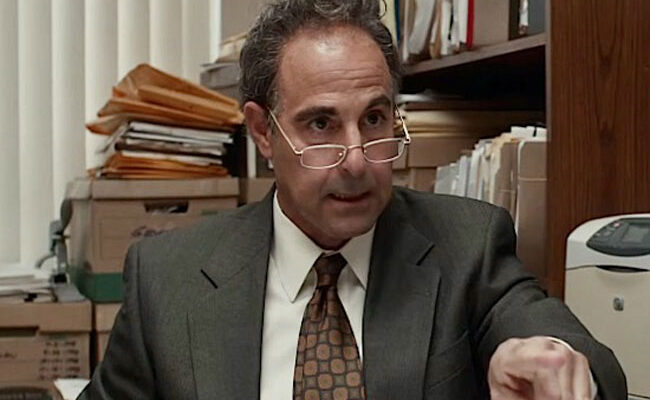
Character acting goes beyond embodiment or the final straws of performance. The best and the most formidable practitioners of their craft bring a piece of their soul to storytelling and raise the stakes. Ultimately, it’s their humanity and an innate understanding of life’s expanses of joys and the complex arches of sorrow and redemption, guilt and shame that help millions of viewers look at their narratives and identify a deeper truth about their own experiences.
Empathy and a grasp on our real failings as a species power these all-time great screen artists. They are always at the top of their game and defy the leading parts’ omnipresence with their unmatched layers and subtle nuances.
Philip Seymour Hoffman
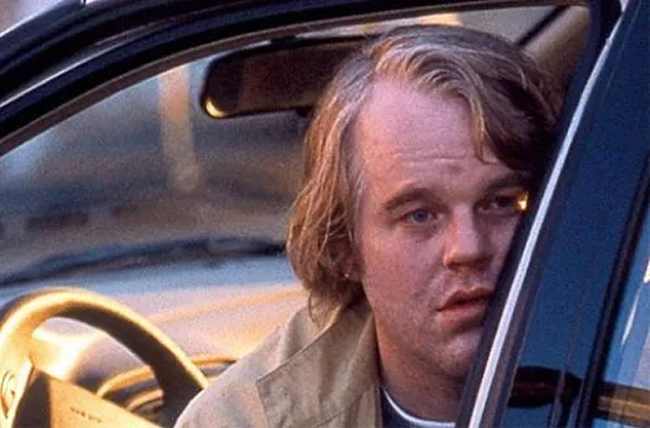
This seasoned gentleman is inarguably one of the greatest performance artists of all time. Imbued with diverse shades of the human condition, Philip Seymour Hoffman can be rakish and shifty in his amorality and gregarious nature, exemplified by his turns in The Talented Mr. Ripley and Scent of A Woman.
But he can also be years ahead of his real age by bringing complex strands of maturity to his parts. Cue his exceptional work in Moneyball and his avuncular guidance accorded to a young writing protege in Almost Famous. Rest assured, he can bring out darker clouds with blessed flair, best seen in Mission Impossible 3.

In other profound showcases of his range, he brings assured gravitas with cunning and compassion to the Hunger Games films and becomes an enigma as well as an open book of dualities in The Master. Similarly, he can access a peculiar blend of the sacred and the profane in Doubt and go into the depths of society’s most saturnine aspects in Capote. In all of them, he reigns supreme as a chronicler of character. In all of them, he leaves a lasting mark of singular brilliance.
Jesse Plemons
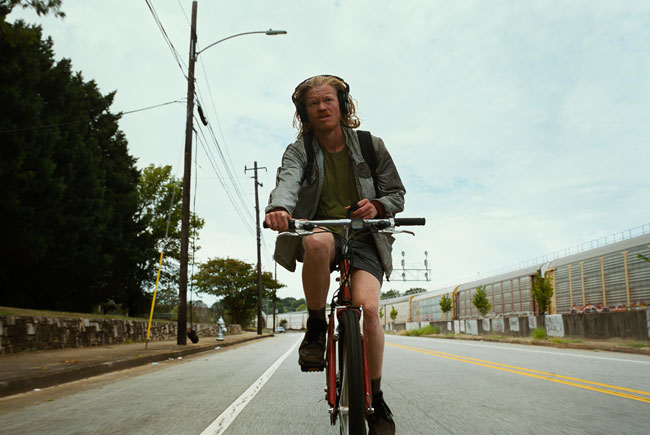
Jesse Plemons in Bugonia.
Among the youngest of this class of veritable thespians, Jesse Plemons is distinctly American in his ruggedness, his classically tough visage and voice and the way he becomes a seamless part of every ensemble yet leaves his own indelible imprints of immersion in human characteristics.
He can be a friend as also a tunnel of dark energy in the dangerously unpredictable world of the iconic television series Breaking Bad and bring a view from the past to its film companion El Camino. He can be a carrier of heartbreak and personal demons when confronted with the harsh frontier climes of The Homesman and be an integral part of a posse of men finding the Old West’s vicissitudes of power and vulnerability in Hostiles.
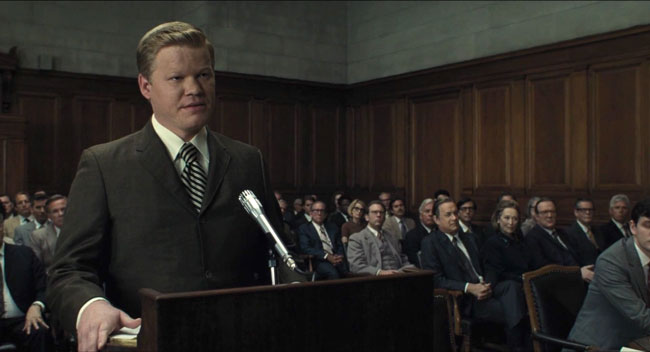
Jesse Plemons in The Post.
Similarly, in both The Post and The Irishman, he can arrive in the second halves of the narrative and turn the tides of these real-life tales depicted on celluloid and use his intelligence to mine a town beset by racial/ ethnic corruptions in Killers of The Flower Moon.
Kudos to him for taking us through a whole journey of fear-mongering and right-wing tactics of hostility in a single extended scene in Civil War. Kudos to him for relaying reserves of tenderness and a complete lack of machismo in the annals of cowboy ethics in The Power of The Dog.
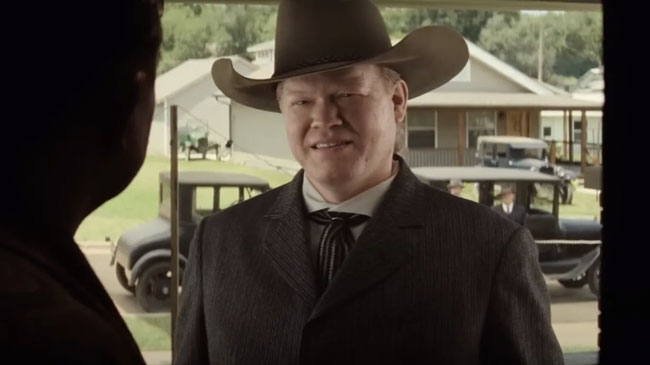
Jesse Plemons in Killers of the Flower Moon.
Also our hearts go out to his unravelling of complex, tenacious family ties and an inner churn of unprocessed traumas in Other People while we are mesmerised by the colours of paranoia, intellect, grief, trauma and sociopathy on his tonally multifarious palette in Bugonia.
To cinephiles, he is truly versatile with his choices and the way he moulds the characterisations with agency. He is truly in a class of his own.
Colman Domingo
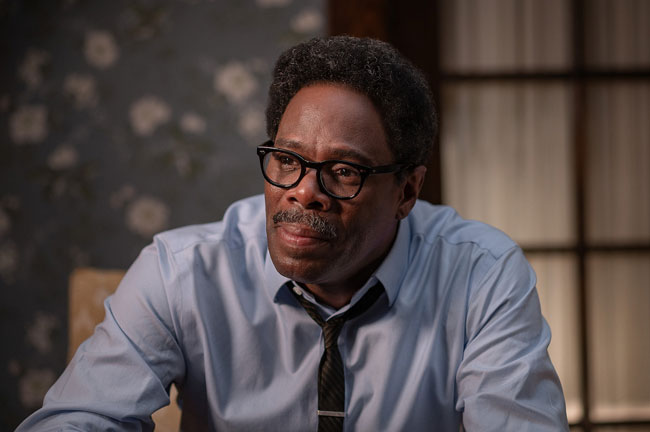
Colmon Domingo as Bayard Rustin in Rustin.
This powerhouse performer has put in years of hard work to reach a point in time where he can truly revel in the afterglow of his two consecutive Oscar nominations for Rustin and Sing Sing.
Colman Domingo is a strapping, effortlessly attractive presence and he mines those to charming effect with a clear eye for his distinct flourishes of humanity in the ensembles of Lucy In The Sky and Ma Rainey’s Black Bottom. Just the way he plays the saxophone and is privy to the rhythms of people who are also legends in their individual rights seals the deal for his abilities as an actor in Ma Rainey.
On the other, far-off hand of the human mass, he is a man of greed, lust, possessing corrupt authority, in Janiszca Bravo’s Zola. The way he ensures a person enunciates this Nigerian born man’s name is a feat in displaying menace in the face of an already fraught journey among societal outcasts.
This manic hostility and gendered pride make him formidable as the arch villain Mr. in 2023’s The Colour Purple but his downfall is so long waiting for him that his eventual redemption brings him to a place of forgiveness and accountability by the end of the tale.
This nobility of doing what’s right puts him in good stead in If Beale Street Could Talk where his reason drives the narrative ahead. A similar interest in the human condition and its moments of historic upliftment power his greatest turn as civil rights pioneer Bayard Rustin in Rustin. He is a powerhouse and a formidable individual presence. Those are definitive of Domingo.
He has risen to the ranks of the best character artists precisely owing to his merits. He is here to stay and create more memorable characterisations.
Stanley Tucci
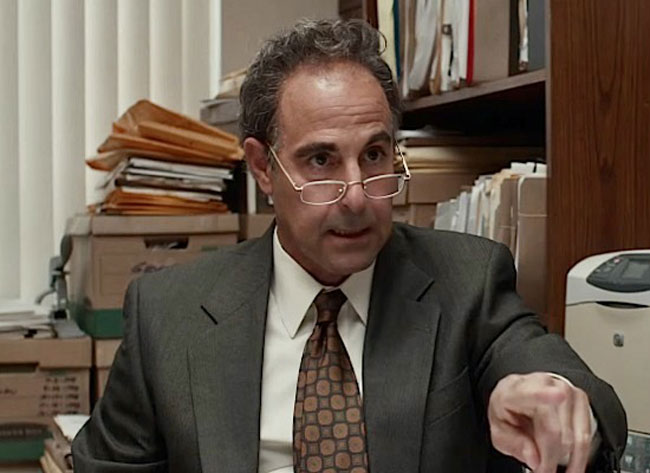
Stanley Tucci in Spotlight (2015).
We cannot envision a world of moviemaking beginning with the new millenium that doesn’t include this prolific maestro Stanley Tucci’s body of work.
There he is as the fashion designer breaking all chains of stereotypical characterisation with his wit and empathy in The Devil Wears Prada. There he is as a harried working man offsetting his mundane life with his love for dance in Shall We Dance? He is the guy who follows Ralph Fiennes’ streak of success and unlikely love story in Maid in Manhattan as also the kindly doctor enlarging a diffident man’s resources of future greatness in Captain America: The First Avenger.
But that’s just not enough. Tucci is diversity of characterisations personified as he plays a cool dad in Easy A, powers the Hunger Games series with his loquacity, looks at the corridors of power with an eye for intrigue in Conclave and meets the moment of moral clarity as one in a team of passionate reporters in Spotlight.
Furthermore, he is an agent of brutal reckoning for adolescent innocence in The Lovely Bones, and also an elegant man who becomes allies with war correspondent Marie Colvin in A Private War. On the same lines of screen perfection are his turns as the opportunistic Jack Warner in the hit miniseries Feud: Bette and Joan and his heartful characterisation of mentor and music magnate Clive Davis in Whitney Houston: I Wanna Dance with Somebody.
Among this repertoire of favourites is his wholesome arc as Julia Child’s supportive “better half” in the true sense of the word in Julie and Julia. It’s a filmography dotted with timeless gems and Tucci is at the centre of all of them, unforgettable in the way he maps out gentlemen while sometimes also eking out the inner lives of monsters.
Richard Jenkins
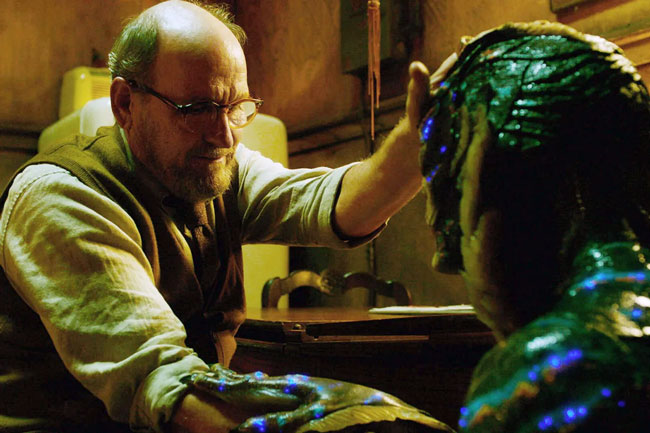
Richard Jenkins in The Shape of Water (2017).
With Richard Jenkins, character acting becomes an art of sincerity, earnestness and mature understanding of humanity’s undulating terrains. He is a gentleman among maestros and without announcing his formidable presence, he makes the world take notice of his extraordinary craft.
He is a figure of authority and all-American stoicism in Jack Reacher while toying with a nation’s undertows of negative influences and he is a man losing his memory but not his innate sense of humour and love for his son in Friends With Benefits. Similarly, in a single episode of the 1990s CBS miniseries Alex Haley’s Queen, he can carry both authority and a deep-seated sense of insecurity in the Deep South.
Vulnerability is another definitive trait in his sturdy body of work, showing us its strength as a vital emotional constituent of our diurnal existence. He brings diverse shades of it in The Humans where his post 9/11 trauma haunts a family reunion while in The Shape of Water, he is a friend, a voice of stability but also a deeply lonely man who somehow doesn’t let the voids of society bring him down. That is his source of power that centres him. Even in Eat Pray Love, his earthy wisdom and pragmatism is a highlight, not a side-note.
Two other standout works centre him as a man unlearning the rote ways of masculinity. One is the vastly underrated The Mudge Boy where he plays a father and a farmhand slowly coming into his own place in the world while dealing with the ache of a beloved member’s death. In North Country, he gradually realises his own agency as an individual capable of supporting his daughter’s quest for equality in a coal-mining town that condemns the very idea of womanhood.
In both instances, he grasps fundamental truths with a silent, internalised rhythm of his own. His eyes and face do the heavy lifting in crucial moments. Which makes his heartbreaking turn as the patriarch in Monster: The Jeffrey Dahmer Story one of depth and grief. He is a man looking at culture and a nation through his disturbed then depraved son’s horrifying saga. Only a character actor of his calibre can bring these depths to his roles. Jenkins’ work befits the honorific of a character actor.
Tom Wilkinson
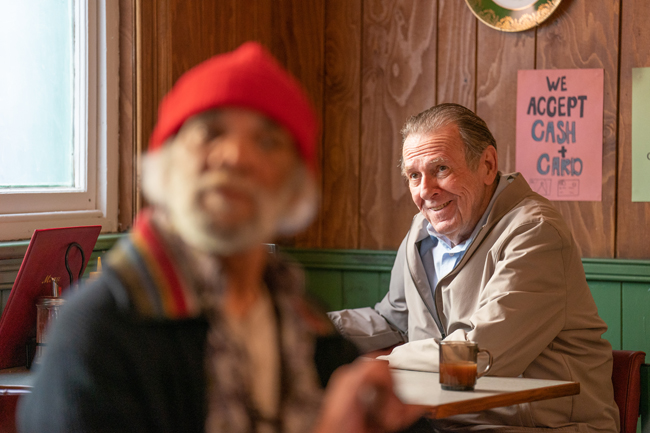
Tom Wilkinson is an epitome of grace, dignity, courage under fire and a middle-aged sense of wisdom in most of his recognisable roles. Cue his brief but lingering turn as a kind-hearted relative in Sense and Sensibility, the poles of theatrical exhibitionism and love for the craft in Shakespeare in Love, the complexities of being at the center of contentious race relations in Belle or a doctor engineering a true breakthrough for embittered human souls for better or worse in Eternal Sunshine of the Spotless Mind.
These characterisations flank his displays of parochial outrage in Wilde and offers a counterpoint to internalised homophobia as Katherine Heigl’s father in Jenny’s Wedding.
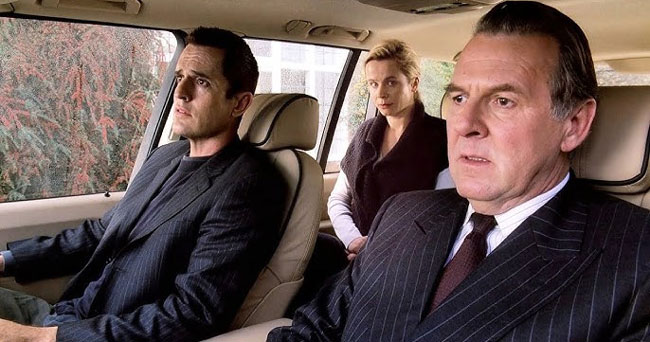
Tom Wilkinson in Separate Lies (2005).
Glorious are his displays of antagonism in Batman Begins, the unfurling of dark desires and immediacy of human impulses in Separate Lies as also the positivity cloaked in a lifetime’s worth of melancholy in The Best Exotic Marigold Hotel while The Exorcism of Emily Rose becomes richer in its spiritual struggles owing to his measured, always compelling lead part.
Which all comes down to his immersive company with the shadows of grief and a more morally passive brand of vigilantism in his Oscar-nominated showcase for In The Bedroom. His haunting visage and gait reveal depths of humanity. It’s owing to this versatile artist’s gifts of characterisation that this leading part becomes one in a long and distinguished line of stellar turns on the screen.
Judy Greer
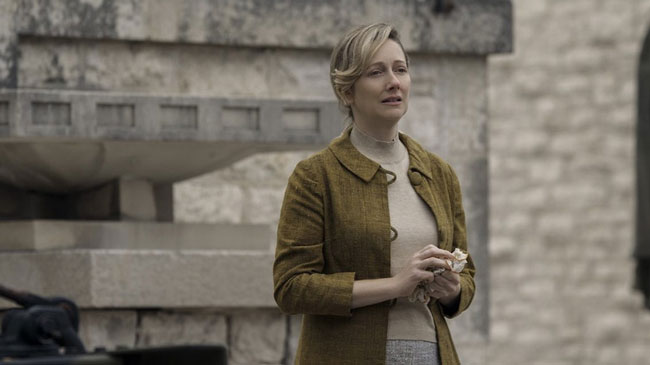
Judy Greer in The Long Walk (2025).
Judy Greer has a warmth, an ageless screen presence and a sense of connection with the amiable aspects of human lives that make her one of the most impressive character actors of her generation.
That makes her truly stand out in such sterling cinematic pieces as The Village where she is a crucial part of a community that begs to hold itself steady against the onslaught of modernism or in the ensemble of Uncle Frank where her affable charm is shorn of malice, prejudice and actually revels in Frank’s larger worldviews beyond the Southern backwater they call home.
Even in something as seemingly asinine as a 2013 remake of Carrie, she brings heart and vitality to her part of a high-school teacher lending out hope to a severely traumatised girl. Cue her formidable presence as a woman trying to make sense of her world amid marital struggles in The Descendants and a single scene in Our Souls At Night where she lights up the moment, holding her formidable own amidst her legendary screen partners Jane Fonda and Robert Redford. However, she can be mean and haughty as is exhibited in Wes Craven’s horror-comedy hybrid Cursed.
For more popular registers in her prolific body of work, she serves competence in the comedic delights of the canine-led Marmaduke and centres the black humour and dangerous satire of the cult classic Jawbreaker. In recent years, her presence has added much wattage to the blockbuster ensembles of Jurassic World and the Halloween franchise.
2025 marked another engrossing addition to her impressive filmography when she packed in fear and concern for her offspring in some of the most heartrending scenes of The Last Walk. She is Judy Greer. She can be at home in any film and lift it up with her naturalism and humility.
Toby Jones

Toby Jones in Kaleidoscope (2016).
This English thespian has earned his stripes by dint of his sheer talent with an especial ability to design different looks and speak in diverse accents thus broadening his agile versatility.
Toby Jones is an unmistakably prolific character actor and merits his work in such behemoths as Captain America: The First Avenger, The Hunger Games franchise and even the Harry Potter series sometimes without us even realising it is him who graces the screen.
In other instances, he is front and centre of pivotal scenes. Such as his part in Jurassic World: Fallen Kingdom or in such ensembles of My Week With Marilyn, Ladies in Lavender and Orlando.

Toby Jones in Marvellous, one of the best films about football.
He is all of those men and more. From the man of social status in Serena overseeing a town’s intriguing turn of events to the man of status designing his own local empire of avarice in First Cow, he is a force to be reckoned with. Ditto The Wonder where he is one of many people trying to stick to the script and pass blame to dogma in a perpetually windy Irish town. As a man of inherent decency, his job of a movie theatre’s projectionist blooms with strokes of humanism in Empire of Light. It’s his tribute to his line of work and to the army of cinephiles worldwide, reflected in his delicate handling of the instrument.
A clear favourite is his exceptional manner of dealing with daily diffidence and social hierarchies in Berberian Sound Studio. Once again, he’s an architect of sound and revels in his work as a bona fide vocation. But darker forces of sexism and creative control drown out his amiability.
Jones shines here and joins the rank of all his other performances with characteristic dignity of the highest order. From essaying Hitchcock to Truman Capote, he is a master of his craft. He is a fearless character actor.
Exclusive Interview

Writer-Director Rupert Jones on the set of Kaleidoscope.
Discover More: Top 10 Films editor Dan Stephens talks to Toby Jones’ brother, writer-director Rupert Jones, about making Kaleidoscope.
Regina King
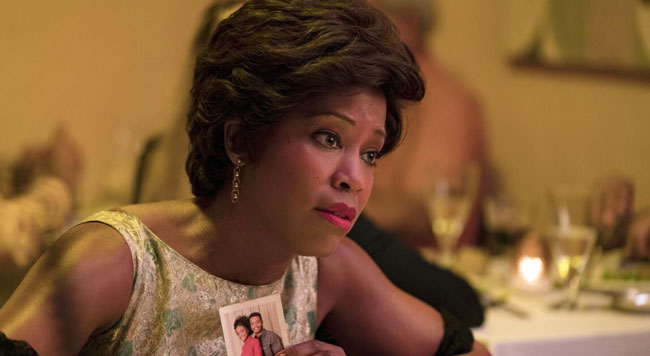
Regina King in If Beale Street Could Talk (2018).
For all the accolades she has received over the years both for her film commitments and socially relevant television credits, Regina King is first and foremost a true character actor, always up to the challenge by delivering impressive portrayals across genres.
You cannot separate her from Sandra Bullock in Miss Congeniality 2: Armed and Fabulous as they trade barbs and wisecracks while solving a deeper thrilling mystery. This same centeredness to the truth of the matter makes her among the many saving graces of Legally Blonde 2: Red, White and Blonde along with Reese Witherspoon and Sally Field. But she’s always in a class of her own, never eclipsed by the demanding attention spans of these comedic ensembles.
A similar strength of character and pitch-perfect dialogue delivery puts her in the spotlight of the beloved A Cinderella Story and powers her rage against detractors and show of support towards her life-partner in Jerry Maguire. She is vulnerable and wounded as a brilliant singer unravelling at the seams in Ray and brings much needed earnestness to the levity of the Anne Heche–directed segment of HBO’s If These Walls Could Talk 2.
The acme of her recent screen credits remains her turn as an impassioned mother balancing scales of social pressures, her African-American middle class identity and a deeper reckoning with the ways of muddied truth in If Beale Street Could Talk. Those piercing light eyes and the facial landscape of multiple emotions does her full justice as a character actor. This pedigree automatically bleeds into her work with actors in her stellar directorial feature One Night in Miami. History and Race are moulded by her seamlessly there. Her work as a formidable character actor brings her to that point of artistic brilliance.
Catherine Keener
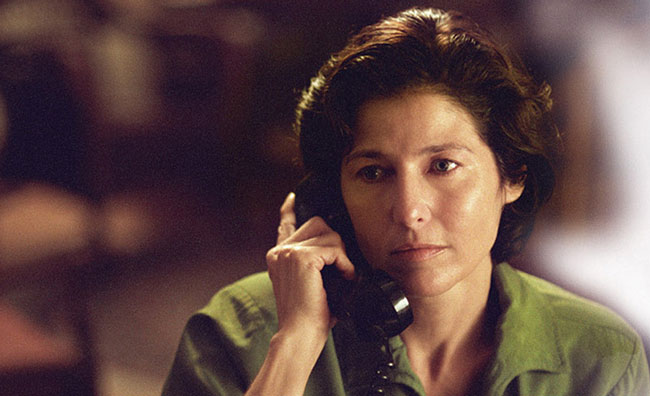
Catherine Keener in Capote (2005).
Give Catherine Keener any role and she finds the unsavoury, the triumphant and the resilient parts of human lives in each one of them.
As To Kill A Mockingbird author Harper Lee in Capote, she is a creative spark, a dear friend but has a deeper resonance and complexity especially when her spirit moves with the realisation that her pal may not be the same person he was before fame got the better of him adjunct with a darker experience with crime in small-town America.
As the matriarch in the Stone Age-set animated feature The Croods, her breathy voice lends itself to amusing adventures and in Joker: Folie a Deux, she is the legal voice of reason in a town that’s cold and unrelenting in its brutal realities. She, somehow, makes the most of her intelligence and authority in that lop-sided scenario. She holds us captive in every scene. Which is why her brief scenes in Captain Philips ring with familial warmth, placing a core of stability to the larger tale of maritime horror that will unfold on our screen.
Formidable as a term is writ large in her filmography. Be it as the nomad giving wisdom and key lessons in survival to a young man in the transcendental Into The Wild or as the writer unpacking past misgivings with a parallel dose of welcome amity in Enough Said to the amicable truth of her bond with her sister in law turning to community-led fear and outbursts of judgement in the Demi Moore–headlined first part of Nancy Sevoca’s HBO film If These Walls Could Talk, Keener is always a revelation.

Catherine Keener in Get Out (2017).
Just watch and reiterate the intricate vice-like grip she exercises in Get Out and the way her chilling presence adds momentous layers of metaphors to this Oscar-winning modern classic.
She rises to the occasion every time and comes out as a winner.
Discover more from Prithvijeet Sinha on Top 10 Films
10 Unforgettable Character Actors And Their Best Film Roles

Morgan Freeman in Gone Baby Gone (2007).
Here are ten character actors who uplift movies by going above and beyond the call of duty to deliver unforgettable portrayals.












Comments