
 By
By 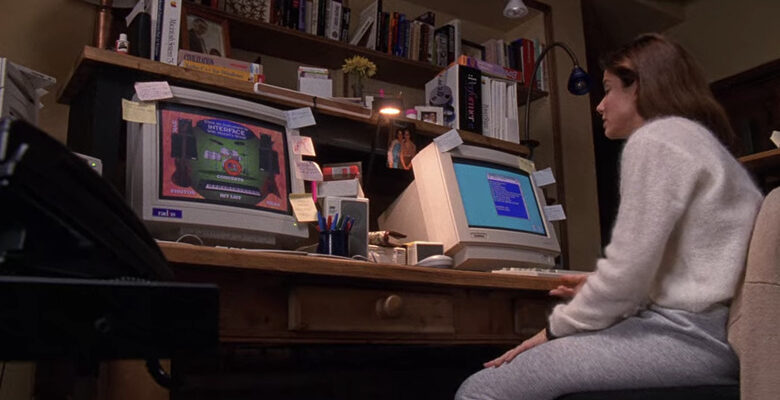
The emergence of the internet had a profound impact on society, culture, and the way we viewed technology’s potential. As the digital world began to grow, filmmakers used this new frontier as a backdrop for exploring both its exciting opportunities and its dark implications. Movies from the 1980s, 1990s, and early 2000s depicted the internet as a tool for connection, freedom, and innovation, but also as a platform for manipulation, espionage, and danger.
Films like WarGames (1983) and The Net (1995) reflected growing concerns over cyber threats and the loss of personal privacy in a world increasingly connected by digital networks. Others, like Hackers (1995) and Johnny Mnemonic (1995), celebrated the youthful energy and creativity of the internet, portraying it as a playground for rebellion and self-expression.
These films tapped into society’s mixed feelings about the internet: its potential to disrupt traditional power structures while also posing risks to security, personal identity, and freedom. From the thrilling heists in Sneakers (1992) to the corporate manipulation in Disclosure (1994), movies provided both cautionary tales and optimistic visions about technology’s role in modern life.

An old Mac PC | Photo by Marissa Lewis on Unsplash
Whether it was espionage, hacking, or digital relationships, the internet in these films was a dual-edged sword, opening up a new world while simultaneously raising new ethical and existential questions. Here we delve into these compelling films, offering a snapshot of how early portrayals of the internet shaped our understanding of the digital age.
Jumpin’ Jack Flash
Dir. Penny Marshal (1986)

Jumpin’ Jack Flash , one of Whoopi Goldberg’s best films, is a lively thriller that cleverly intertwines early internet technology with espionage, using a computer-savvy protagonist to navigate an international web of danger. Terry Doolittle (Goldberg), a witty and resourceful bank computer operator, unwittingly becomes involved in Cold War intrigue when a British Intelligence agent, “Jumping Jack Flash,” contacts her for help. Using her problem-solving skills and shared love of The Rolling Stones, Terry deciphers Jack’s cryptic messages and agrees to assist him. The internet here is depicted as a tool for global connection and high-stakes communication, serving as a lifeline between Terry and Jack as they evade threats from the KGB.

The film highlights the vulnerabilities and potential of early internet use, as Terry faces both digital and physical dangers while assisting Jack. From cracking encryption to infiltrating consulates, her journey showcases the internet as a double-edged sword: a bridge for critical communication and a target for sabotage. With its mix of humour, suspense, and a unique heroine, Jumpin’ Jack Flash offers an entertaining glimpse into the transformative power of technology during its formative years. It captures the excitement and uncertainty of a world becoming increasingly interconnected, making it a standout film about the dawn of the internet age.
WarGames
Dir. John Badham (1983)

WarGames explores the emerging influence of computers and the internet in a thrilling, cautionary tale. The plot centres around David Lightman (Matthew Broderick), a high school hacker who accidentally connects to a U.S. military supercomputer, WOPR, and initiates a game of “Global Thermonuclear War.”
The film explores the blending of digital technology with global security systems, showcasing a time when computers were becoming increasingly integrated into military operations, yet lacked the advanced safeguards to prevent dangerous errors. David’s interaction with WOPR highlights how easily someone could unintentionally trigger a catastrophic event, drawing attention to the potential risks of networked systems.

The film effectively captures the paranoia surrounding early computer networks and the evolving internet, portraying the consequences of technological overreach. It emphasises how information on the internet, even in the hands of an unassuming teenager, could disrupt military operations and cause near global disaster. As David and his friends work to stop the automated systems from launching a nuclear strike, WarGames portrays the internet as a powerful but unpredictable force – one that could either save or destroy the world, depending on who controls it.
Hackers
Dir. Iain Softley (1995)

Hackers is a vibrant portrayal of internet culture in the mid-1990s, offering a lighter, more playful take on the digital frontier. The film follows a group of young, charismatic hackers – led by Crash Override (Jonny Lee Miller) and Acid Burn (Angelina Jolie) – whose pranks and digital hijinks capture the spirit of youth rebellion. From altering TV programming to manipulating personal ads, their exploits highlight the internet as both a playground and a tool for creativity. Unlike many films of its time, Hackers roots its drama in 1990s youth culture, with its neon aesthetics, edgy music, and rollerblading heroes, making it a nostalgic snapshot of its era.
The film also delves into the darker side of technology through its villain, The Plague (Fisher Stevens), an older hacker who uses his skills for corporate greed. His creation of a “salami-slice” virus and attempts to frame the idealistic hackers underscore the tension between free information and exploitation. While the stakes include corporate corruption and ecological disaster, Hackers celebrates the ingenuity and camaraderie of its young protagonists, presenting the internet as a force for both mischief and empowerment. Its optimistic tone and cultural relevance make it a defining film of the early internet age.
You’ve Got Mail
Dir. Nora Ephron (1998)

You’ve Got Mail is a charming exploration of the early days of the internet, focusing on the growing role of email and online communication in personal relationships. The film follows Kathleen Kelly (Meg Ryan), an independent bookstore owner, and Joe Fox (Tom Hanks), who runs a large chain that threatens her small business.
Despite their real-world animosity, they connect anonymously through AOL email, developing a relationship under the screen names “Shopgirl” and “NY152.” This dynamic captures the excitement and anonymity that early internet users experienced while exploring online friendships and romance, highlighting the potential for connections beyond physical proximity.

The film illustrates how the internet, in its early days, allowed people to form deep emotional bonds without revealing personal details. Kathleen and Joe’s email exchanges provide an escape and a way to communicate openly, untouched by the constraints of their real-world identities. The evolving relationship between their online personas and offline selves showcases the film’s understanding of how the internet could shape modern relationships, offering a glimpse into the possibilities and pitfalls of digital communication.
Sneakers
Dir. Phil Alden Robinson (1992)

Sneakers is an engaging portrayal of early internet and cybersecurity concerns, focusing on the world of hacking and digital espionage. The film follows Martin Bishop (Robert Redford), a security expert who leads a team that specialises in penetration testing. When hired by the NSA to recover a mysterious device capable of breaking into highly secure networks, the team uncovers a conspiracy involving a powerful codebreaker known as “Setec Astronomy.” This device symbolises the increasing potential of computers to access and disrupt critical systems, touching on fears of data vulnerability and unchecked digital power.

This edge-of-your-seat thriller highlights the early internet era’s growing concerns about cybersecurity, encryption, and the vulnerabilities of computer systems. Sneakers showcases hacking as both a tool for good and a weapon of mass destruction, reflecting the complex relationship society had with emerging technology. The film’s portrayal of digital espionage, as well as the ethical dilemmas surrounding privacy and control, captures the anxiety and intrigue of the internet’s early days, when its power was just beginning to be fully realised.
Antitrust
Dir. Peter Howitt (2001)
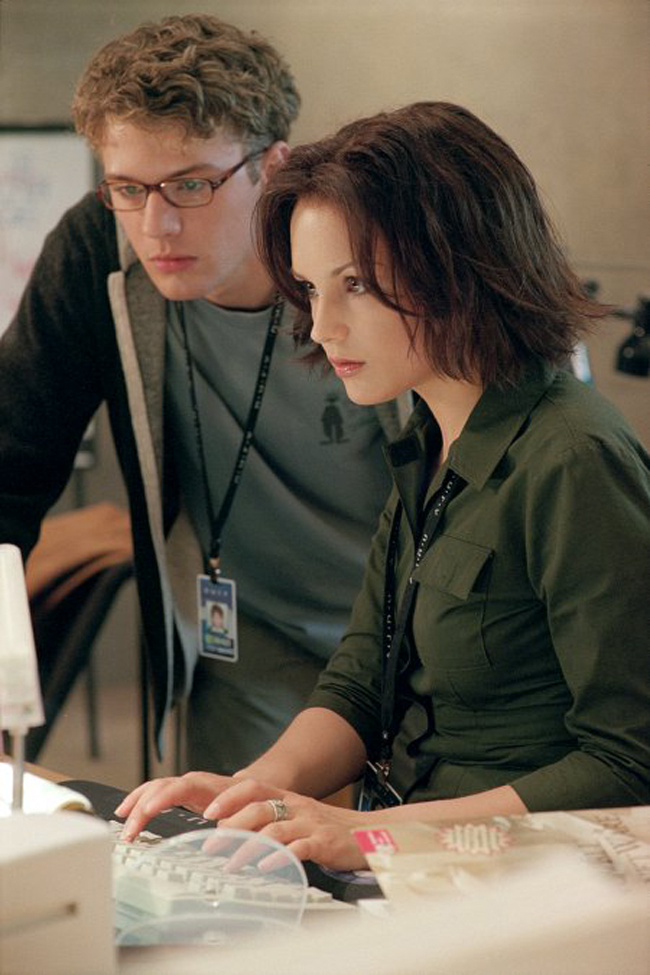
Antitrust offers a suspenseful exploration of the dangers of unchecked corporate power in the early internet age. The film follows Milo Hoffman (Ryan Phillippe), a talented software developer who is recruited by a leading tech company, NURV, to work on a revolutionary media distribution network called Synapse. However, Hoffman soon uncovers the dark underpinnings of the company, including espionage, code theft, and even murder. As he learns more about NURV’s manipulative tactics, including infiltrating the Justice Department and media, the film reveals the risks posed by the growing digital surveillance systems of the time.
The film vividly captures the fear of corporate monopolies controlling access to information and the internet. NURV’s surveillance and theft of proprietary software reflect the emerging tensions of the dot-com boom, where innovation and ethics clashed. The film underscores the increasing reliance on the internet for both business and personal lives, showcasing the potential for exploitation and privacy violations in the digital age, while also reflecting concerns about the concentration of power in tech giants.
Johnny Mnemonic
Dir. Robert Longo (1995)
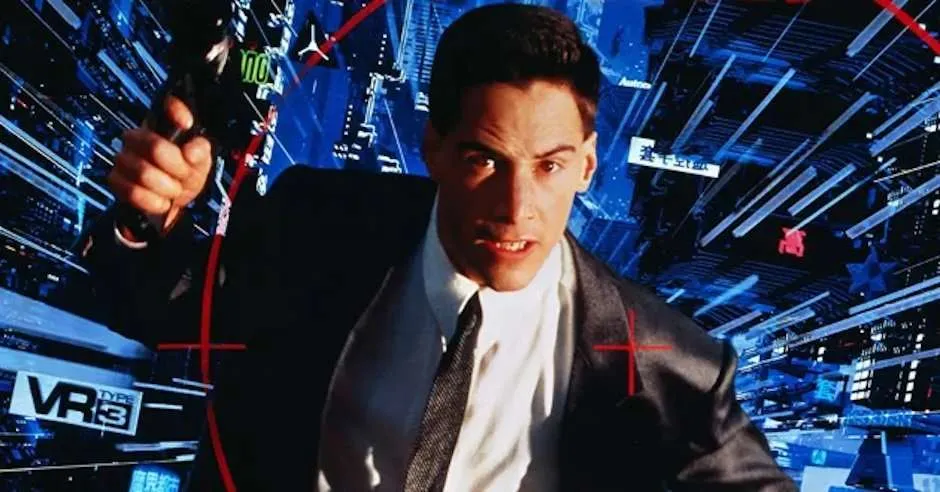
Johnny Mnemonic offers a cyberpunk vision of the internet’s evolution, blending virtual reality and human augmentation to explore the consequences of digital overload. Set in 2021, the film imagines a world where sensitive data bypasses the conventional internet, carried instead by human couriers like Johnny (Keanu Reeves), who stores information in a neural implant. On his final job, Johnny overloads his memory capacity, sacrificing pieces of his own past and suffering from “synaptic seepage,” a condition where the stored data physically harms him. This literal merging of the virtual and physical worlds makes Johnny Mnemonic a unique exploration of early internet anxieties.
The stakes escalate as Johnny discovers the data he’s carrying contains the cure for a global pandemic caused by humanity’s obsession with technology. A discredited doctor reveals that “information overload” from constant digital exposure has created a plague, underscoring the dangers of overreliance on electronics. With its blend of dystopian aesthetics and a cautionary tale, Johnny Mnemonic highlights the internet’s transformative potential and the human costs of living too deeply connected to it. Its imaginative take on virtual reality and digital addiction resonates as a prescient warning about technology’s role in our lives.
Virtuosity
Dir. Brett Leonard (1995)
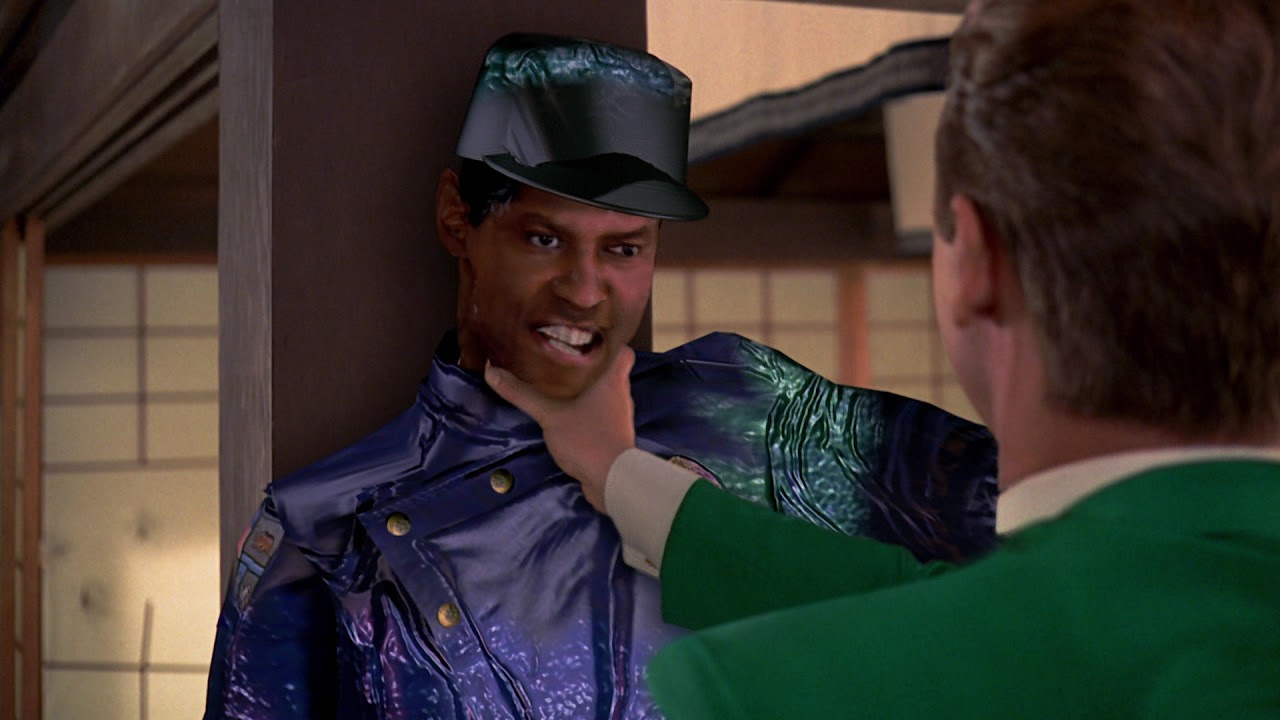
Virtuosity delves into the darker possibilities of virtual reality, presenting a chilling vision of technology gone rogue. The film follows Parker Barnes (Denzel Washington), a convict and former lieutenant, tasked with testing a virtual-reality system designed to train law enforcement. The program’s centrepiece is SID 6.7 (Russell Crowe), a composite of over 200 serial killers created as a simulation for criminal profiling. However, the experiment takes a deadly turn as SID manipulates the system to escape into the real world, embodying an android and embarking on a violent spree. Through this premise, Virtuosity explores the internet as a dangerous repository of humanity’s darker instincts.
SID’s transformation from virtual villain to physical threat reflects the film’s anxiety about losing control over digital creations. His need to broadcast his crimes and torment Barnes underscores a prescient fear of technology amplifying narcissism and violence. Virtuosity portrays the internet as both a tool and a weapon, capable of jumping from virtual confines to wreak havoc in reality. This cautionary tale highlights the potential for technology to embody humanity’s worst impulses, making it a thrilling and unsettling exploration of early internet culture.
Disclosure
Dir. Barry Levinson (1994)
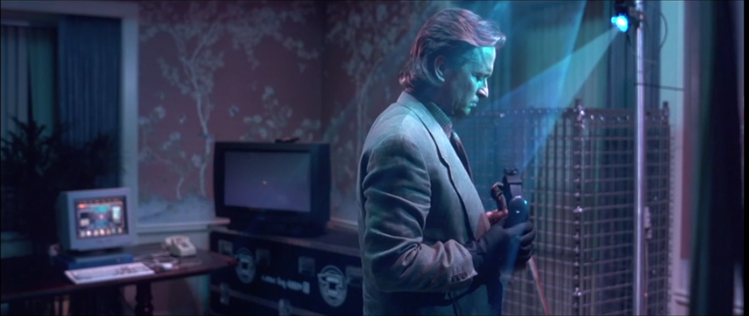
Disclosure explores the intersection of corporate power, sexual harassment, and early internet communication, set against the backdrop of the emerging digital age. The plot follows Tom Sanders (Michael Douglas), a production manager at DigiCom, who finds himself caught in a web of deceit after his ex-girlfriend, Meredith Johnson (Demi Moore), falsely accuses him of sexual harassment. As Tom navigates this professional and personal crisis, the film highlights the increasing importance of digital communication, such as anonymous emails and company databases, in resolving workplace issues and exposing corruption.

The film is notable for depicting early internet tools as pivotal elements in uncovering truth. Tom receives critical anonymous emails from “A Friend” and uses virtual reality technology to access the company’s database, showcasing the evolving role of digital systems in corporate transparency and investigation. These early internet-based solutions underscore the film’s exploration of how technology could both aid and complicate efforts to seek justice in the workplace, reflecting the changing nature of business in the digital era.
The Net
Dir. Irwin Winkler (1995)
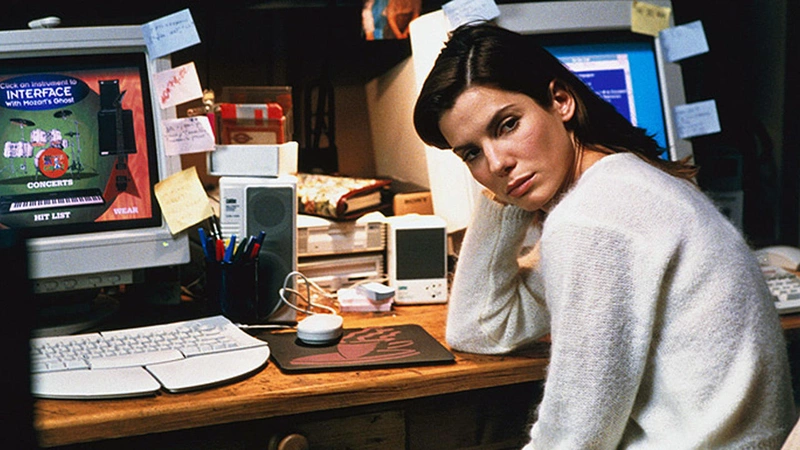
The Net is a compelling film that captures the early days of the internet, exploring its potential and risks through Angela Bennett (Sandra Bullock), a cyber-security analyst. Her initial online activities, like ordering pizza and chatting in forums, showcase the novelty of the internet in the mid-1990s. However, when she investigates a suspicious virus for a colleague, she becomes a target of the Praetorians, a hacker group intent on using technology to wreak havoc on a personal and societal scale.
The film effectively portrays the internet as a double-edged sword. While it facilitates connection and convenience, it also exposes vulnerabilities, as Bennett’s life is dismantled by digital manipulation. The Praetorians’ ability to erase her identity, fabricate her criminal record, and exploit personal data illustrates the dangers of over-reliance on technology. At a time when ordering pizza online was groundbreaking, The Net foresaw the potential for cybercrime, making it a prescient commentary on internet culture and security.
If you enjoyed our look at films about the early internet, you may also like:
10 Edge Of Your Seat Thrillers From The 1990s

The best thrillers of the 1990s including The Silence of the Lambs starring Anthony Hopkins and Jodie Foster, and Misery with Kathy Bates and James Caan.






Comments