
 By
By 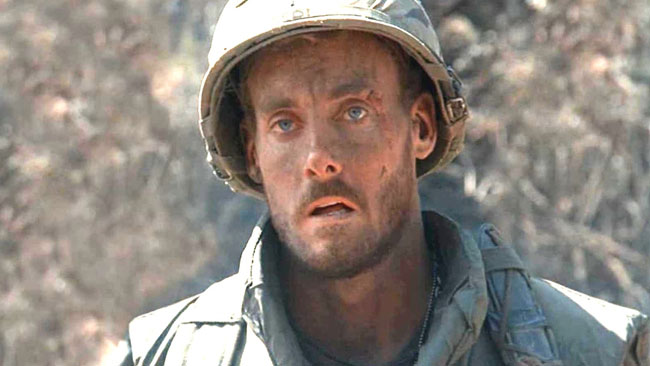
When Platoon arrived into theatres at Christmas in 1986, it didn’t just offer a memorable depiction of warfare; it delivered a collective trauma. Written and directed by Oliver Stone, the film was the first of a spiritual trilogy — later followed by Born on the Fourth of July in 1989 and 1993’s Heaven & Earth — designed to strip away the polished heroism of Hollywood’s past. Stone, a veteran who served as a U.S. infantryman in South Vietnam, wrote the screenplay as a direct rebuttal to the idealised vision of war seen in films like John Wayne’s The Green Berets.
The story follows a young volunteer, Chris Taylor (Charlie Sheen), caught in a moral tug-of-war between two veteran leaders: the scarred, cynical Staff Sergeant Barnes (Tom Berenger) and the more compassionate Sergeant Elias (Willem Dafoe). But while the world saw a masterpiece that would eventually win four Academy Awards — including Best Picture and Best Director — the actors saw something much grittier. For supporting stars like John C. McGinley, who played the sycophantic Sgt. Red O’Neill, the production was less of a film shoot and more of an endurance test.
From the West Village to the triple canopy
Before the cameras rolled in the Philippines, Stone famously subjected his cast — which included future stars like Forest Whitaker, Johnny Depp, and Keith David — to a brutal 14-day boot camp. For McGinley, the transition from civilian life to the jungle was a jarring shock to the system.
“I didn’t find the training that big a deal physically,” McGinley recalled in a 2022 interview with The Guardian, reflecting on the psychological weight of the preparation. “But what was hard was learning how to read maps, load weapons and be in this triple canopy jungle out in the middle of frickin’ nowhere. We were eating MREs – Meals Ready to Eat – and nobody could poop.”
The reality of their environment quickly eclipsed any theatrical training they had brought from the States. “Two weeks earlier, we were running around New York’s West Village having coffee, bagels and talking about Hamlet,” McGinley says. “Now we’re in the jungle with bamboo vipers. Oliver [Stone] loved it, of course.”
A production on the edge

Stone had struggled for years to get the film made, finally finding a partner in Hemdale Film Corporation after the success of Salvador. With a modest $6 million budget and a 54-day shooting schedule, there was no room for error. And the jungle didn’t care about the script. The dangers were far from simulated.
“Willem drank water from a river when there was a decomposing oxen downstream and he got medivacked, Tom dropped a knife in his f***ing foot – it was just all getting terribly real,” McGinley explains. This atmospheric pressure meant that by the time the cameras were actually rolling, the performances were fuelled by genuine exhaustion and fear. “After that boot camp, it took only a tiny imaginary leap to believe what we were saying. When my character said, ‘I gotta get the f out of here,’ I meant it. My mother was having a brain operation back in Pittsburgh. There was no acting.”
The 1,000-foot near-miss
Perhaps the most harrowing moment for McGinley occurred during a scene involving the iconic Huey helicopters. In a moment that could have ended in tragedy, the military discipline Stone had drilled into them nearly became a death sentence.
“I only felt in danger once, when I almost fell out of a helicopter,” McGinley admits. “It was up about 1,000ft. It was supposed to land and we would run out and past the camera. Something was going wrong on the ground, so they wanted to go to a different area. For three weeks, we’d been drilled that the one thing you don’t ever let go of is your weapon – so as the helicopter turned, I start to fall out because I was holding it. Francesco Quinn, who played Rhah, grabbed my backpack and pulled me in. If he hadn’t done that, I would’ve fallen out. I got pretty righteous with Oliver after that.”
Despite the chaos, Platoon became a cultural phenomenon, grossing $137.9 million and eventually earning a spot in the National Film Registry. For the actors, however, the true reward came from the veterans who saw their own reflections in the screen. McGinley recalls the emotional weight of his character’s most shameful moment — hiding under a corpse to survive the final battle.
“Afterwards, on a press tour, I was seeing veterans and doing self-help chats – which I had no right doing,” he says. “Dozens of vets would tell me they covered themselves with bodies too. They would be weeping. I was just this 26-year-old donkey, way out of my depth, but none of that was lost on me. What Oliver touched on, all of that stuff, was overwhelming.”
Nearly four decades later, Platoon remains a towering achievement — a film born of dirt, expired MREs, and a director’s uncompromising need to tell the truth.
Discover more on Top 10 Films
10 Unforgettable Oliver Stone Films, Ranked
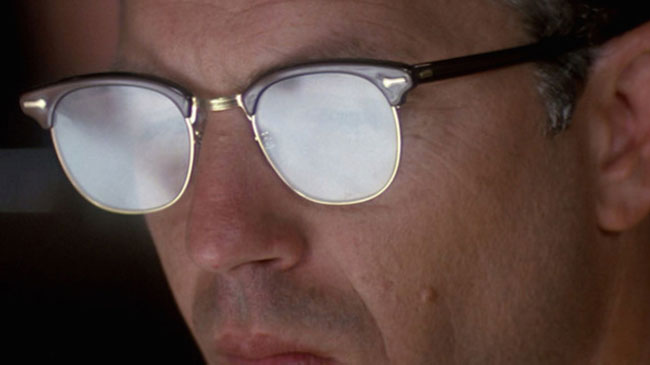
Kevin Costner in one of the great Oliver Stone films – JFK.
Oliver Stone films have been described as some of American cinema’s most controversial movies. We take a look at the maverick filmmaker’s most provocative work.












Comments