
 By
By 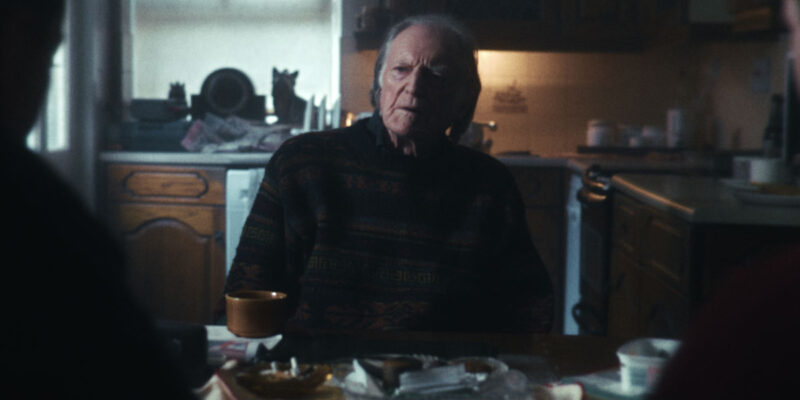
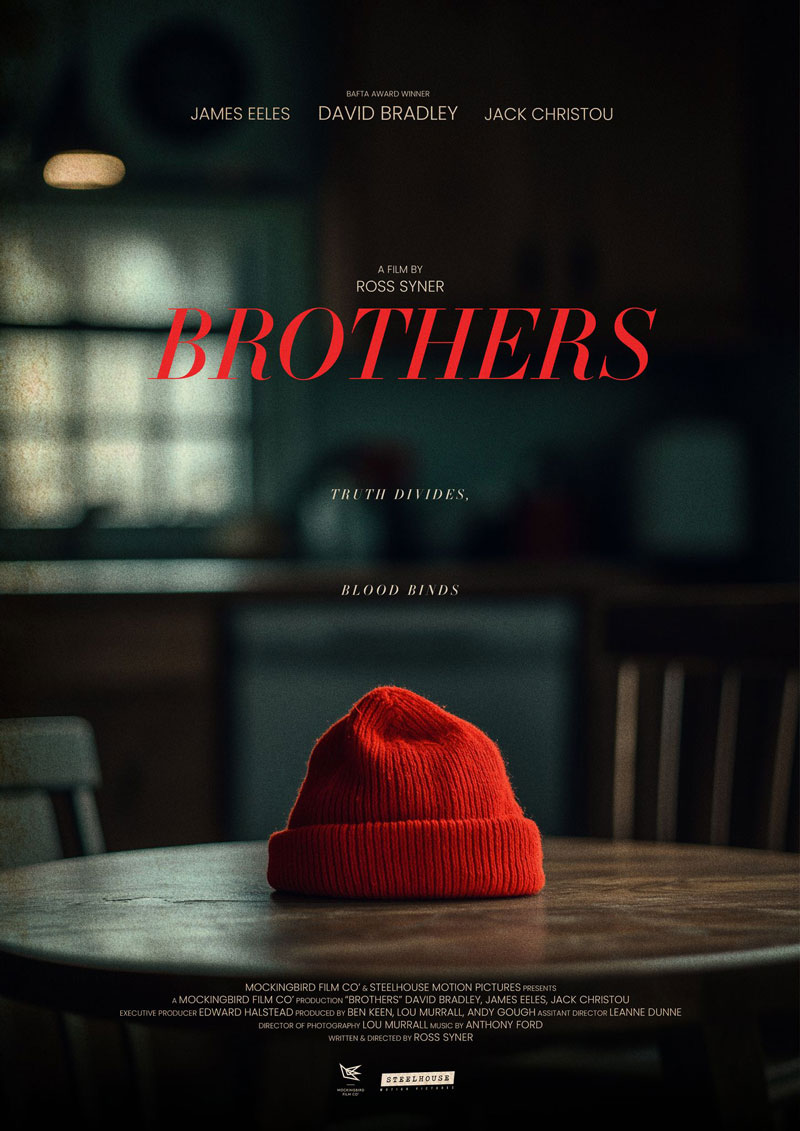
In the BAFTA-qualifying short film Brothers, director and co-writer Ross Syner crafts a claustrophobic masterclass in tension that asks a singular, haunting question: what would you do for the ones you love? Starring BAFTA-winning veteran David Bradley in a performance of piercing humanity, the film follows two grandsons who present their grandfather with a devastating moral dilemma.
Set against a backdrop of inherited legacies and the fragile ties of kinship, Brothers has already garnered significant acclaim on the festival circuit, earning selections at prestigious qualifying events like HollyShorts and Flickers’ Rhode Island International Film Festival. As it enters the 2026 BAFTA conversation, the film stands as a testament to the power of stripped-back, emotionally honest storytelling that lingers long after the final frame.
In Top 10 Films’ exclusive interview, we sit down with Syner to delve into the creative process behind this unsettlingly intimate portrait of family loyalty. Syner discusses the film’s origins during the isolation of lockdown, his unique “human dictaphone” writing partnership with co-writer Leanne Dunne, and the “less is best” directorial philosophy he employed to capture the story’s raw authenticity.
From the daunting yet rewarding experience of directing a screen legend like David Bradley to the “unreal” feeling of achieving BAFTA qualification, Syner offers a candid look at the grit and heart required to bring a high-stakes independent vision to life.
T10F: What was the starting point for Brothers, and how did the idea for the story first take shape?
Ross Syner: “During lockdown myself and co-writer Leanne Dunne started asking the question, ‘What would you do for a family member if they were in a bad situation.’ Off the back of that, we started asking other friends and family and the contrast of answers was vastly different. That prompted us to create a script that left the viewers with that question to answer.”
T10F: Did you draw on any personal experiences or real events while developing the script, or were you more interested in exploring the themes from a fictional standpoint?
RS: “There are small life inspirations and human mannerisms that we have extracted from people and families we know to help bring authenticity to the characters and the situation, but apart from that, no. There is no juicy gossip I am afraid.
“We were more interested in creating fiction and allowing the story to flow wherever it wanted naturally, without forcing a narrative based on facts or truth.”
T10F: How did your writing partnership with Leanne Dunne begin, and what did your working dynamic look like as the script evolved?
RS: “Being locked away in our house was a blessing and a curse. A blessing because it gave us the opportunity to work on something together, coupled with the time to sit down and throw ideas around. Leanne is heavily dyslexic, so for a lot of the time I was her human Dictaphone as she paced around the room telling me her ideas.
“But it worked perfectly. We bounced dialogue, scenes, everything off each other and even if we disagreed with the movement of the script, we always seemed to settle in a perfect middle ground.”
T10F: What led you to approach David Bradley for the role of the grandfather, and what factors were important to you when considering actors for that part?
RS: “It could only have been David. We visualised him from day one of writing. We even did our worst impressions of him as we read the script out loud. He was the perfect actor for the role. He can display a vast array of emotions without saying a word. His ability to go from soft and loving to stern and intimidating at the click of a finger is exactly what the role needed.”
T10F: What was your experience like directing Bradley on set, and how did the two of you work together to shape the character?
RS: “Fantastic. He was a gentleman and threw everything at the role and the project, and for that I am forever grateful. He has been directed by some of the biggest directors in the game, so it was a little daunting to begin with, but his attitude and respect soon put that at ease.
“He listened to notes and helped develop the scene alongside me like we had worked together a million times before. We spoke in depth about his character’s background, worked on pacing and the dynamics of the scenes, and he approached it with such love that it was an honour for me to sit back and watch him work.”
T10F: How would you describe your approach as a director on this project, in terms of working with actors, shaping performances, and handling the technical side of the shoot?
RS: “For this film I wanted to create something where the motto was ‘less is best’. I did not want over-dramatics. I wanted simplicity, honesty and realism. We all spoke about how this situation is unfolding in your kitchen right now. When you deliver or receive bad news, you take it in, you pause, it becomes awkward, so we played on that. It was all about feeling unnervingly real, as if the audience are in the kitchen with them.
“From a technical point of view, I wanted the same approach. From day one, me and DOP Lou Murrall had exactly the same idea. Simple, well-framed and well-blocked shots that allowed the actors to take the lead. With such a great cast, it allowed us to simply observe with the camera.”
T10F: When audiences watch Brothers, what would you like them to think about or take away from the story?
RS: “What would you do? What would you expect a loved one to do? The feedback so far has been phenomenal, with audience members genuinely stewing on that question long after the credits roll. Where do your morals lie?”
T10F: The film is BAFTA qualifying and part of the awards conversation. How did you react to that development, and what does it mean for you and the team at this stage of the film’s journey?
RS: “It feels unreal. I am so humbled. We all are. I am so grateful to everyone who helped make the film possible. Leanne Dunne, Ben Keen, Edward Halstead, Lou Murrall and Andy Gough. The film would not have been possible without them. All of the cast and crew too. They came with attitude and love towards the project and it was such a joy to make it with them all.
“People are still contributing to the project long after they need to, which says a lot. The fact that it is now BAFTA qualifying feels incredible. Even if it goes no further, it feels great as a filmmaker to receive recognition for your work. It gives you an added boost to keep going in such a difficult industry.”
Discover more interviews on Top 10 Films
Interview: “Largo” Filmmakers Max Burgoyne-Moore & Salvatore Scarpa On Humanising The Refugee Crisis
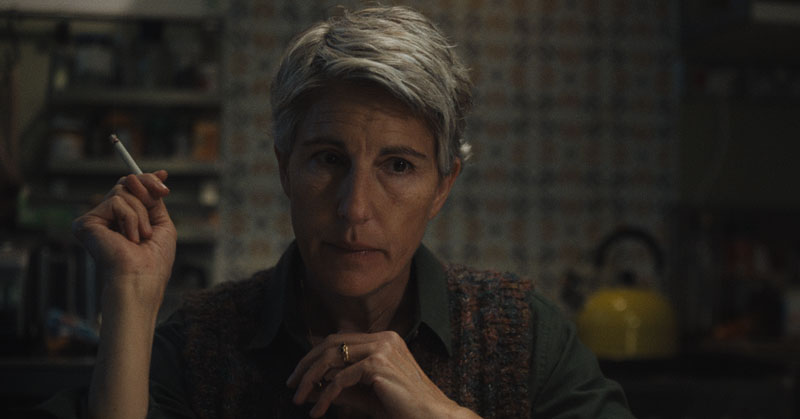
Max Burgoyne-Moore and Salvatore Scarpa discuss their BAFTA-qualified film Largo, a moving fable of refugee resilience starring Zack Elsokari and Tamsin Greig.








Comments