
 By
By 
Rightly, a diverse representation of sexuality, gender and identity is being seen on screen. American film has uncuffed itself from the constraints of the archaic Hays Code and the shadow of its conservative moral leanings to deliver classics like Brokeback Mountain, while filmmakers in Europe, Asia and in other parts of the world are embracing stories about the lives and loves of the LGBTQ+ community.
History of LGBTQ+ Representation
At first there was no censorship. Then the guardians of morality emerged. In 1939, the Hays Code was adopted, which presented the industry with a set of rules and principles that stated how films could be filmed and what could be shown in cinema. And somewhere until the 1960s, this Code was in force. And although it began to fade later, specific rules seem to have been ingrained in cinema, which is why we need representation so much now.
One of the points of this Code concerned itself with homosexuality and by extension, the LGBTQ+ community as a whole. The message was that homosexuality should not be shown in a positive way. Hence, we have gay characters as villains. It is possible to show an LGBTQ+ character, but they must realise that their orientation is something terrible and must expose themselves. And as a rule, a tragic end awaits them.

However, as the years passed, the Hays Code, despite being considered outdated, left an imprint on cinema that was difficult to overcome. In other countries, there was no such problem; French films were gaining popularity, and social issues, particularly sexuality, gender and sexual orientation, were more freely expressed on screen. Hollywood couldn’t keep up; sometime in the 1970s, if not earlier, the Hays Code lost its relevance.
But it was used for quite a long period and could not help but leave its mark on the depiction of the LGBT community in cinema. Therefore, we can still find established cliches to this day.
LGBT Presence on the Screen
Now things are improving. Some of the best trans actors openly speak about their identity. Let’s remember the most significant movies that prepared the ground for such acceptance.

Brokeback Mountain
Arguably, the most famous film on LGBT themes is Brokeback Mountain. A sorrowful story, masterfully played by the late Heath Ledger and an Oscar-winning Jake Gyllenhaal.
The latter became known as a gay icon. It was something Gyllenhaal embraced. “This means that I am a good actor,” he once said. Ledger was posthumously nominated for an Academy Award for Best Actor for his role.
The film broke new ground in its portrayal of a same-sex relationships, particularly within the context of a Western setting. It explored themes of love, desire, societal expectations, and repression in a nuanced and deeply emotional way.
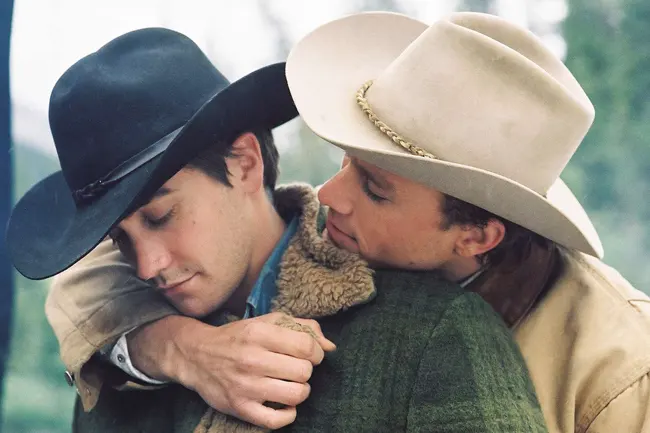
Interestingly, the film was nearly sued. This has nothing to do with rejection by LGBT people. The fact is that a couple of years before the release of Brokeback Mountain, the hero of the animated series South Park, Eric Cartman, said in one of the episodes that “independent cinema is when gay cowboys eat pudding in the mountains and discover their sexuality.”
The creators of the cartoon threatened to sue if the cowboys in the film ate pudding. The case never went to trial: Heath Ledger and Jake Gyllenhaal ate canned beans!
Brokeback Mountain sparked important conversations about LGBT representation in media and helped to humanise same-sex relationships for a wider audience. Its impact went beyond the world of cinema and contributed to changing societal attitudes towards LGBT individuals.
Carol

The best LGBT film of all time, according to the London LGBT Film Festival. The 50s had strict morals, and it was at this time that the fateful meeting of two heroines took place. The film explores themes of identity, desire, and societal expectations, offering a poignant and thought-provoking portrayal of the challenges faced by LGBT individuals during the decade.
Cate Blanchett and Rooney Mara showed how a romantic connection breaks out between a mature woman and a young girl. World critics called this love drama about confrontation with society a masterpiece, and viewers fell in love with Carol.
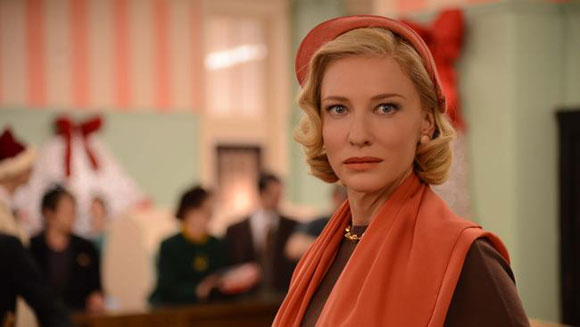
Both Blanchett and Mara were praised for their performances as Carol and Therese, respectively. Their chemistry on screen is palpable, drawing viewers into the intimate and often turbulent dynamics of their relationship. Both actresses received critical acclaim and several award nominations for their roles.
Carol resonates with audiences on an emotional level, capturing the universal experience of longing, desire, and self-discovery. The film’s exploration of love and intimacy feels authentic and heartfelt, leaving a lasting impression on viewers long after the credits roll.
The Handmaiden
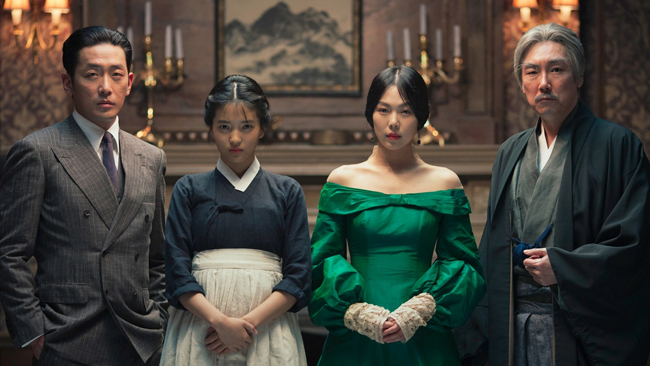
The Handmaiden is a multifaceted work of art, embodying various themes and genres simultaneously. It serves as a loose adaptation of British novelist Sarah Waters’ Fingersmith, while also marking a significant milestone in LGBT cinema within the conservative landscape of South Korea.
Beyond its provocative surface, The Handmaiden unfolds as a intricately woven tale of deception and counter-deception, challenging its audience to remain engaged and attentive throughout. At its core, it is a compelling narrative of women breaking free from oppressive male figures, depicted within the richly detailed confines of a chamber piece.

This film stands out as the epitome of opulent period dramas from recent years. Its visuals are breathtaking, its plot is complex but skilfully refines and enhances the final convoluted section of the source novel, keeping even the sharpest viewers on their toes with its twists and turns.
While it may not deliver the grand, blood-soaked spectacle one might anticipate from the director of Stoker, it offers a different kind of grandeur that is equally mesmerising and compelling.
Call Me By Your Name

Drawing inspiration from André Aciman’s 2007 novel, Luca Guadagnino invites viewers to immerse themselves in the sultry ambiance of a 1980s summer on the Italian Riviera.
The film is set amidst the verdant expanse of a sprawling cliffside mansion, owned by the worldly and captivating Perlmans, portrayed by Amira Casar and Michael Stuhlbarg.
Their son, the introspective and intellectually curious Elio, played by Timothée Chalamet, whiles away his days absorbed in literature, transcribing music, and leisurely spending time with his occasional girlfriend Marzia, portrayed by Esther Garrel.
Chalamet commands the spotlight with a performance that leaves viewers instantly curious about his upbringing, prompting them to search for more about this remarkable talent. Every nuance of Elio’s teenage emotions is laid bare on Chalamet’s expressive canvas.
He portrays Elio as a young person in the process of self-discovery, unafraid of his emotions but taken aback by their intensity. In a film brimming with exceptional performances, Chalamet’s stands out as unparalleled, effortlessly overshadowing his co-stars with his authenticity. His presence alone would justify watching the film, yet it is just one of the many compelling aspects it offers.
***
The world is changing, time is moving on, and people are starting to see LGBTQ+ characters as protagonists. LGBTQ+ characters don’t have to spend several minutes on screen talking melodramatically about how their homosexuality is wrong, how terrible it is, how they hate themselves, and so on. It is precisely what the representation of the LGBTQ+ community in cinema aims to achieve. Give people what they haven’t been getting for a long time.














Comments