
 By
By 
Fiction has always understood something we’re slow to admit out loud: the moment you find out doesn’t arrive with a soundtrack cue. It arrives in a paused frame, a phone left face-up on a counter, a lie so small it almost isn’t one. The best writers know this, which is why the great on-screen betrayals aren’t really about the affair — they’re about the reveal. The half-second where one character’s face changes and the audience changes with them.
There’s an entire corner of the internet — forums where people going through exactly this compare notes, ask what’s normal paranoia versus a real pattern, and debate whether any catch a cheater app actually helped them get clarity — that reads like the unfiltered, un-scripted version of every plotline below. No writers’ room, no dramatic score, just people trying to figure out if what they’re noticing is real.
We went looking for the storylines that pulled that off best — the ones where the writers’ room clearly understood how real suspicion actually builds, long before the confession scene.
1. Mad Men — Betty finds the box
Betty Draper doesn’t catch Don with a scene. She catches him with a locked drawer and a stack of letters that don’t belong to the man she married. The show trusts its audience enough to let the discovery happen in near silence — no confrontation for another two episodes. It’s one of the most patient reveals in television, and it works because paranoia, once seeded, doesn’t need dialogue to grow.
2. Marriage Story — the argument that says the quiet part loud

Not a whodunit, but the fight scene where every unspoken grievance about fidelity, attention, and neglect finally gets voiced is the emotional blueprint every “did they or didn’t they” plot borrows from. The suspicion was never really about one act — it was about a pattern nobody named until it was too late.
3. Gone Girl — the unreliable narrator as the ultimate red herring
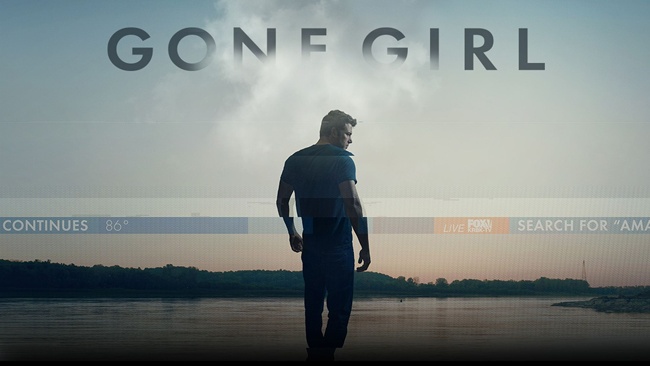
Amy Dunne turns the audience itself into the deceived party. The genius of the reveal structure is that we, too, build a timeline from fragments — diary entries, inconsistencies, a too-convenient alibi — exactly the way real suspicion gets built from small pieces of digital and physical evidence.
4. Big Little Lies — the group text that changes everything
Renata’s discovery plays out through overheard conversation and a phone screen glimpsed at the wrong moment. The show understands that the paper trail of an affair is rarely paper anymore — it’s a thread, a location tag, a notification that lights up at the wrong hour.
5. Scandal — burner phones as a genre unto themselves
Shonda Rhimes built an entire show on the idea that political and romantic betrayal share a toolkit: encrypted calls, second phones, meetings that don’t appear on anyone’s calendar. It’s heightened for TV, but the underlying mechanic — a second communication channel hidden from the person who’d recognize it — is not fiction.
6. The Affair — two versions of the same lie
Told from both cheating parties’ points of view, the show’s real trick is showing how differently the same moment of discovery registers for the person who already suspected versus the person who’s genuinely blindsided.
7. Fleabag — the joke that isn’t one anymore
The “arsehole guy” storyline plays for laughs until it doesn’t, and the show’s tonal whiplash mirrors something real: how often the moment of realization arrives disguised as something almost funny, until it very suddenly isn’t.
8. You — surveillance from the other direction
Joe’s obsessive tracking of the people around him is framed as horror, correctly. But strip away the thriller heightening and the mechanics — checking a phone, mapping a schedule, noticing inconsistencies — are the same mechanics that show up, far less dramatically, whenever someone starts to suspect they’re being lied to.
9. Grey’s Anatomy — the hospital as a small town with no secrets
Fifteen-plus seasons in, the show has run through nearly every version of the discovered-affair plot, and the throughline is always the same: someone else already knew, and the last person to find out is the one it happened to.
10. Euphoria — the group chat as evidence locker
Modern teen drama treats screenshots and Venmo receipts the way older shows treated love letters — as the paper trail that eventually surfaces. It’s a small detail, but it’s the one that dates every one of these storylines to right now.
What fiction gets right (and what it skips)
Across all ten, the pattern holds: nobody in these shows catches anyone through a single dramatic confrontation. The suspicion builds first — a changed routine, a phone held differently, a story that doesn’t quite line up twice in a row — and the “proof” comes later, almost as an afterthought to something the person already knew.















Comments