
 By
By 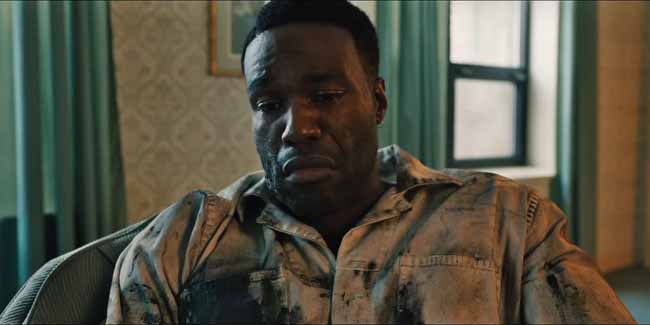
Occasionally a film arrives that is so compelling, so utterly thrilling, that its impact alters the future of cinema. Get Out was one such film. Jordan Peele’s 2017 directorial debut masterfully skewered racism in US society by satirising the prejudice a young black man faces in modern America, among white people of all political persuasions – but it was also a watershed moment for horror.
An Oscar winner and massive box-office hit, it both subverted the genre’s long record of offensive racial tropes, and showed there was a will for Western horror to correct its overriding whiteness.
Four years on, its legacy can be seen across film and TV. Suddenly, the horror genre has become an artistic space where black people have become a lot more prominent both in front of and behind the camera.
On film, the spectrum of black-led or black-starring horror projects has ranged from Peele’s smash hit Get Out follow-up, Us, to indie horrors like Remi Weekes’s powerful immigration-themed British chiller His House and Justin Simien’s satire Bad Hair to more mainstream, popcorn movies like Octavia Spencer vehicle Ma, Gerard McMurray’s The Last Purge and Spiral, the latest instalment in the Saw franchise, which was led by two of Hollywood’s biggest black stars, Chris Rock and Samuel L Jackson.
Meanwhile on TV, both HBO’s Lovecraft Country, produced by Peele, and Amazon’s Them, have featured black-led casts and explored racism through a horror prism.
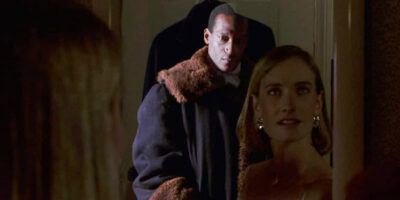
Now things have come full circle with a new Candyman film. It is a “spiritual sequel” to the cult 1990s horror of the same name, which, even though it was written and directed by a white man, is often talked about as a pioneering “black horror” for the way it dealt with anti-black violence at its core; Tony Todd starred as the titular hook-handed spirit who, it transpires, is a man from the 19th Century avenging his racialised murder by lynching.
This new take, again produced by Peele and directed by rising star Nia DaCosta, sees Todd make a very brief reappearance as the eponymous bogeyman – but otherwise gives the franchise a significant overhaul.
Where the first film’s heroine was a white woman, this time there are black protagonists, artist Anthony McCoy (Yahya Abdul-Mateen II) and his girlfriend Brianna (Teyonah Parris). And conversely, while in the original, black people confusingly bore the brunt of the Candyman’s violence, here it’s white people who make up the majority of victims…
[Read the full article by David Jesudason at BBC.com here]







Comments