
 By
By 
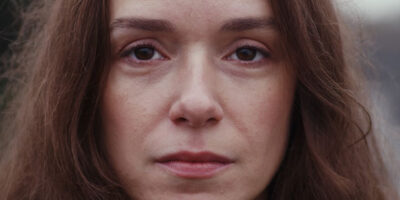
Isabella de Fortibus may have been one of the most powerful women in 13th‑century England, but history has largely allowed her to slip into obscurity. Now, Isle of Wight filmmaker Sorcha Verey — who writes, produces, and stars as Isabella — joins forces with director‑producer Majid Khan to bring this formidable medieval figure back into the spotlight.
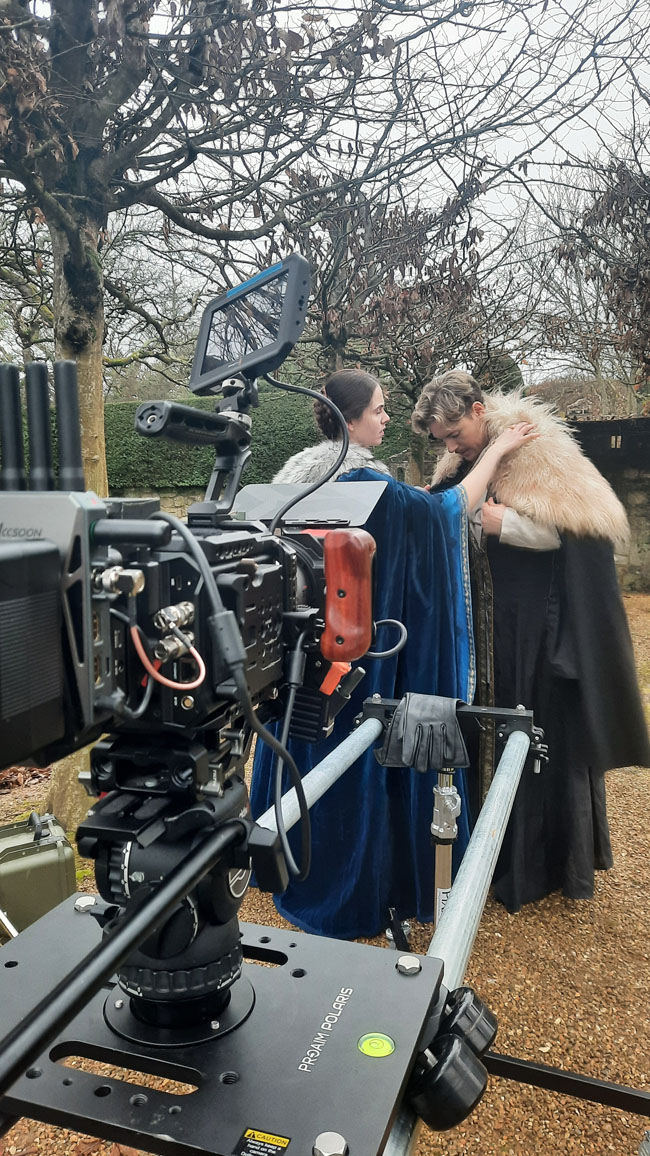
Their upcoming short film zeroes in on a decisive moment in Isabella’s life: the point at which she begins fighting for control of her inheritance and her island, defying the political machinations of the men around her. Shot on location at Carisbrooke Castle and Arreton Manor, the film blends grounded medieval realism with an intimate character study of a woman refusing to be erased.
“When I read into her life, I asked myself, how have I not heard of Isabella de Fortibus before,” Khan tells Top 10 Films. “Why has her story not been told more often in history books, films, TV? That immediately grabbed my attention. She experienced personal loss, such as the death of her husband and outliving all her 6 children to dealing with political pressure, manipulation, yet she remained a formidable figure. Her resilience basically was the spark for me and become the main element of telling this story.”
Verey says de Fortibus’ life fascinated her, in part, because it was so close to home. “As a Caulkhead (Isle of Wight born) I’ve always wanted to find stories that are rooted in this island’s history and culture. I’m also obsessed with lesser known female historical figures, which led me right to her. I remember when I was younger my parents telling me about a queen of the island. I always thought how amazing that was, but why didn’t we really know much about her? She seemed more like a legend than an actual person. Her history along with my passions for storytelling, and love of the place I call home, made me feel I was the perfect person to tell her story.”
The first obstacle was distilling what Verey calls a “kaleidoscope of life waiting to be told” into a short dramatic narrative. She says the key to unlocking this conundrum was by focusing on “the turning point in her story.” This was the moment de Fortibus began fighting for her rights. “I did initially write a 50-page script that I had to narrow down to 9 pages. I did this to encapsulate this episode of her life and then extract the most crucial moments. I now understand why making a true story into a short film is not often attempted. But I was keen to try.”
Khan admits the initial treatment had to account for budget and resource limitations. To do this, the pair zeroed in on a snapshot of their subject’s existence that would give audiences a compelling “glimpse into her extraordinary yet forgotten life.”
For Verey and Khan, Isabella’s story isn’t just historical — it’s urgently contemporary. Themes of female agency, political pressure, and the reclamation of lost narratives resonate powerfully today, especially in a world still grappling with who gets to write history.
“To move forward to a better future we have to learn from our past”
Despite the story taking place in the 1200s, de Fortibus’s actions feel pertinent through a contemporary lens. “In a world that’s currently run by a few mad men, I think these topics are as relevant as ever,” says Verey. “I believe that to move forward to a better future we have to learn from our past. The world thinks history is written by men. However, women’s history has been periodically erased, losing many of our stories, leaving us little to learn from.
“I think Isabella de Fortibus’s story resonates in particular because she would have been one of the first to do it. It was unheard of for a woman to take control of her own life in the 13th century no matter her status, and many feel like they have no control of their lives at present. Her story echoes similarities of men in power seizing more power and land for themselves despite the consequences. A woman standing fiercely against that, with a smaller voice than what we have today, can only serve as inspiration for a current audience.”
Khan concurs, saying he feels audiences today will appreciate “hearing lost voices that have been pushed aside or ignored.” He continues: “Themes of power dynamics, politics, gender, ownership of land and property, etc. are what audiences still connect and fight for today, which is why it feels the right time to tell her story. As a director, I wanted to make sure I am part of bringing her story to the screen and tell it as authentic as possible, and take the audience on a journey back to the 13th Century.” Indeed, Khan approached the project with a commitment to ensuring the short film feels “grounded, authentic and intimate within the world of medieval drama.”
Drawing on meticulous research, a fiercely collaborative cast, and the atmospheric weight of real medieval locations, the filmmakers aim to reintroduce audiences to a woman whose resilience feels as relevant now as it did eight centuries ago. For Verey, casting herself in the lead role was an important part of realising de Fortibus on screen in a realistic and nuanced way. It also made sense given the film’s budgetary constraints.
“I was having to call in every favour possible,” she admits. “Without sounding self indulgent, my research had led me to understand her character, her motives and her struggle. Having an acting background, I nominated myself for the task. I knew it could be done, being inspired by other female creatives paving the way like Louisa Connolly-Burnham and following in her footsteps. Producing, writing and starring as Isabella de Fortibus, I would come to realise is no mean feat.”
Khan praises Verey’s dedication to the role, acknowledging that her background work had led her to know de Fortibus intimately. “Sorcha had done a lot of research on Isabella and understanding every element of it before even stepping into the role. That made me trust her.”
He knew that Verey was the right person to not only bring a medieval figure to life realistically but do so in a way that audiences could connect with. “Isabella is a real person; therefore, we must bring in her fears, doubts, weakness, strengths, etc. We collaborated on-set on how we can bring this character to life. Trying to balance those layers of emotions. Bringing out the right performance so audience will believe it and be drawn into it. The goal isn’t just to show some 13th century medieval figure but to connect the audience with her character, and that was through finding the right performance by making her feel human. That’s what Sorcha did.”
Shooting at Carisbrooke Castle

The filmmakers describe their shoot at Carisbrooke Castle as “immense” — a demanding, rain‑lashed day that became one of the production’s most atmospheric assets. Filming on the very ground Isabella once walked gave the cast a visceral connection to the story, while re-enactment group Wolfguard stood steadfast in the downpour, embodying Simon de Montfort’s (played in the film by Florian Hencher) soldiers with striking conviction. The combination of weather, castle walls and sheer collective effort created what they call an electric energy that carries directly into the film.
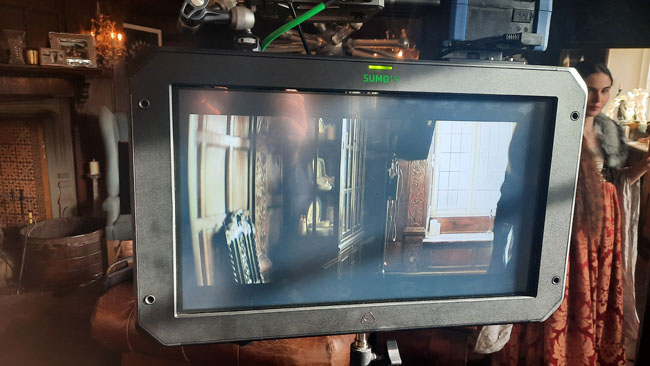
A similar authenticity shaped their work at Arreton Manor, where the historic setting grounded performances and deepened the emotional truth of each scene. Being surrounded by real medieval spaces allowed actors to respond instinctively to their environment, merging genuine locations with the drama unfolding on screen. Together, the two sites infused the short with a heightened atmosphere the team believes audiences will feel.
With post‑production nearing completion and festival submissions imminent, this short marks the beginning of a much larger ambition: to finally give Isabella de Fortibus the epic, full‑scale treatment she deserves.

You can find out more about the film through its dedicated Instagram page here.
Discover more interviews on Top 10 Films
Interview: “The North” Director Bart Schrijver On Capturing The Soul Of The Scottish Highlands

Director Bart Schrijver discusses the rugged beauty and emotional depth of his new film, The North, in this exclusive interview with Top 10 Films.







Comments