
 By
By 
Many films in the industry have stuck with fans long after the credits roll, partly because they leave unanswered questions. Film production organisations pose these unanswered questions to draw attention beyond the screens, with many communities debating the narrative for years to come. This approach is one of the industry’s most important ways to help keep films relevant years after release, while also drawing attention to potential spin-offs or sequels.
Trusting the Audience
Great films show trust in their audience, assuming they can draw their own links to the storylines rather than spelling out every detail. This trust creates a stronger bond between the filmmaker and the viewer. When everything is explained, the experience can feel passive; when some things are left open, the audience becomes active.
This approach treats viewers as thoughtful people rather than as customers who need constant guidance. It allows different viewers to take different things from the same film, creating divided opinions, making it a unique story for everyone. Each person brings their own life, beliefs, and mood into the viewing. Another relevant form of entertainment is online games like Fishin Frenzy Megaways slot, which require the player to be in the correct mind frame to play. An unanswered moment can mean one thing to one person and something else to another, and both readings can exist side by side.
Reflecting Real Life
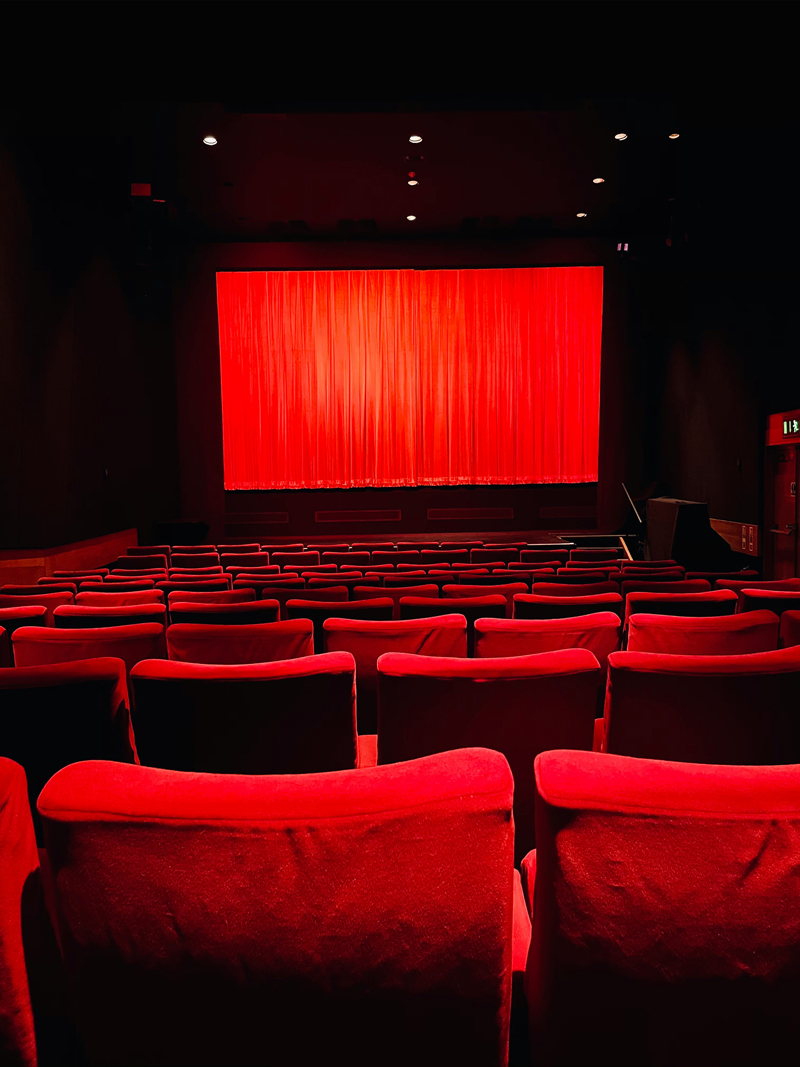
Life rarely offers clear endings or full explanations, and this has been reflected in the film industry. Many events do not come with neat lessons or final answers. Great films often mirror this truth. By leaving questions unanswered, they reflect how people actually live and think.
When film production reflects real life, the result is often great, with the film seeming more honest. Characters may change, fail, or move on without clear reasons given, and events may end without closure. This does not weaken the story; it can make it feel closer to a real experience, where meaning is often unclear, and understanding comes slowly, if at all.
Encouraging Emotional Depth
Unanswered questions can deepen emotional impact; when a film avoids clear answers, it leaves room for feeling, with viewers left to sit with uncertainty, loss, hope, or doubt. These feelings can be more powerful than a clear explanation.
A clear ending can tie emotions into a tidy shape, leaving less of an impact after the final ending. An open ending can leave emotions raw and alive, allowing the film to stay with the viewer past the final scene. The mind keeps returning to certain scenes, trying to make sense of them, and in doing so, relives the feelings they carried.
Inviting Discussion and Memory
Films that leave things open often spark conversation. People talk about what they think happened, what a moment meant, or why a character acted in a certain way. These discussions can last for years and pass between generations.
This shared thinking gives the film a life beyond its running time. It becomes part of the culture rather than a finished product that is used and forgotten. The lack of clear answers invites memory. People remember the film because they are still working through it in their minds.
Respecting the Power of Images

Cinema is a visual art; images, sound, and silence can say more than words, and great films often rely on these tools rather than a clear explanation. Leaving questions unanswered allows images to speak in their own way.
A look, a pause, or a final shot can hold many meanings; if the filmmaker explains exactly what it means, that power can fade. By stepping back, the film allows the viewer to feel the image rather than decode a message. This keeps the experience rich and layered.
Avoiding Simple Messages
While clear messages are not inherently wrong, they can often limit a film and, despite their truth, sometimes kill the storyline. Great films tend to resist simple lessons, and instead show the world as complex, unclear, and sometimes unfair.
By leaving questions open, the film avoids telling the audience what to think and leaves the interpretation to each individual. It presents a situation and allows viewers to sit with it, which can be challenging, but it is also respectful.
Supporting Personal Meaning
As with every passage of life, viewers’ thoughts change over time, often leading to different perceptions of films depending on their age. Unanswered questions allow a film to grow with its audience. As life experience deepens, the viewer may notice new meanings or feel scenes in new ways.
A film with fixed answers stays the same, whilst a film with open spaces can change. It becomes a personal object, shaped by memory and growth. This is one reason certain films remain important across decades.
The Skill Behind the Choice

Leaving questions unanswered is not easy and requires skill, confidence, and control over the audience. The film must still feel complete, even without clear answers, and if poorly managed, the film can feel confusing or empty.
Filmmakers choose what to show and what to hold back, thereby guiding the viewer whilst allowing their creative freedom to be expressed. This balance is part of what separates strong work from weak imitation. When done well, the unanswered parts feel purposeful rather than missing and contribute to the enduring appeal of films.
















Comments