
 By
By 
Throughout the history of British cinema, crime has been a recurring theme, captivating audiences with tales of intrigue and danger. However, the emergence of gangster films in British cinema was a phenomenon that took root primarily in the 1940s, a departure from the solo criminal stories prevalent in earlier decades.
The delay in embracing gangster themes stemmed from two main factors. Firstly, there existed a perception that “gangsters” were inherently American, with Britain being associated more with “crooks”. Secondly, the stringent regulations of the British Board of Film Censors (BBFC) stifled any attempts at realistic depictions of domestic criminal activities. As early as 1933, the BBFC rejected proposals for films such as The Blue Café, citing concerns over its portrayal of organised crime in Soho.
Consequently, British crime movies of the early 20th century often focused on individual criminals, typified by films like Hitchcock’s The Lodger (1926) and Anthony Asquith’s A Cottage on Dartmoor (1930). Alternatively, detective stories in the vein of Sherlock Holmes or Agatha Christie were popular, alongside melodramatic narratives inspired by authors like Edgar Wallace.
It wasn’t until the loosening of censorship regulations following the Second World War that British gangsters finally made their mark on the silver screen. Films such as Brighton Rock (1947), adapted from Graham Greene’s novel, and They Made Me a Fugitive (1947), depicted the gritty underworld of post-war Britain. These were followed by a slew of productions exploring themes of organised crime, prostitution, and the influence of American gang culture.
From crooks to gangsters: the evolution of British organised crime on screen

By the 1950s, British gangster movies had become a recognisable genre, exemplified by Ealing Studios’ satirical take in films like The Lavender Hill Mob (1951) and The Ladykillers (1955). Despite this, quality productions were scarce, with most entries relegated to low-budget fare. It wasn’t until the end of the decade that more realistic portrayals of underworld subjects began to emerge, reflecting the changing social landscape of Britain.
But serious gangster movies in British cinema were a rarity, with only a handful of notable exceptions. Among them, the heist thriller The Good Die Young (1954) stood as a marginal contender, offering audiences a glimpse into the criminal underworld. Similarly, Joe Macbeth (1955), a Shakespeare-in-gangland saga, intrigued viewers with its sheer oddity, although its reception was mixed.
For the most part, however, gangster films of the era were relegated to cut-price supporting features with hasty scripting, often serving as filler for the lower halves of double bills. It wasn’t until the late 1950s that a shift occurred, marked notably by the release of Hell Is a City (1959), a bleak portrayal of urban crime that hinted at a move towards more realistic underworld subjects.
The early 1960s witnessed a notable surge in British gangster cinema, characterized by films that offered a darker and more uncompromising vision of the criminal world. While The League of Gentlemen (1960) offered a twist on the theme of disgruntled ex-servicemen turning to crime, it was Joseph Losey’s The Criminal (1960) that truly captured the prevailing mood of the decade. With Stanley Baker in the lead role, the film presented a stark and unflinching portrayal of criminality, setting the tone for the era’s gangster films.
Losey’s work was part of a broader wave of tough, dark-hued gangster films that emerged during this period. Too Hot To Handle (1960) delved into the Soho vice-racket, while Offbeat (1961) offered a unique perspective with an MI5 agent infiltrating a gang. Payroll (1961) transported audiences to Newcastle with nods to international influences like Dassin’s Rififi. The Frightened City (1961) saw Herbert Lom attempting to unify London’s protection-racket gangs, while The Small World of Sammy Lee (1961) depicted Anthony Newley’s desperate attempts to settle a debt with the Soho mob.
Collectively, these films reflected a growing appetite for gritty and realistic portrayals of crime in British cinema. They paved the way for future generations of filmmakers to explore the complexities of the underworld with nuance and depth, leaving an enduring legacy in the annals of British film history.
A lighter shade to British crime
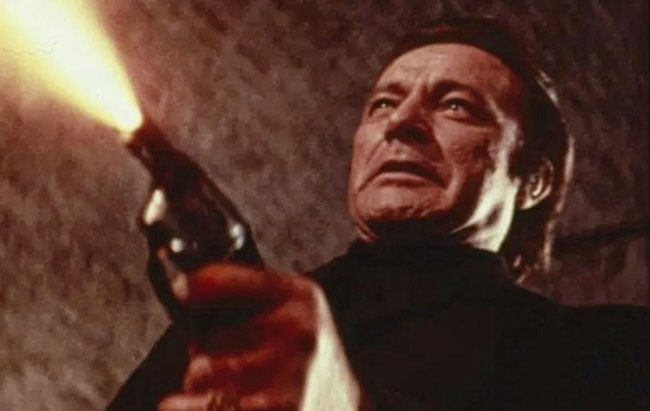
As British cinema delved deeper into the realm of gangster films in the 1950s and 1960s, a dichotomy emerged between comedic escapades and darker, more realistic portrayals of criminal activity.
In 1959, Too Many Crooks kicked off a parallel cycle of sub-Ealingesque gangster comedies, setting the stage for a slew of films that offered a lighter take on the underworld. Starring the iconic Peter Sellers, movies like Two Way Stretch (1960), The Wrong Arm of the Law (1962), and Crooks in Cloisters (1963) entertained audiences with their humorous antics. However, Sellers also demonstrated his versatility by taking on the role of a vicious gang-boss in Never Let Go (1960), perhaps in a bid to avoid being typecast as a comic actor.
Yet, the whimsical escapades depicted on screen paled in comparison to the stark reality of London’s notorious gangs, such as the Krays and the Richardsons. As the 1960s progressed, echoes of real-life crimes began to seep into fictionalised tales on the big screen.
Robbery (1967), a dramatised retelling of the infamous 1963 Great Train Robbery, captured the public’s imagination with its tense portrayal of the heist. Directed by Peter Yates, the film earned him acclaim and an invitation to Hollywood to direct the iconic Bullitt. Meanwhile, The Strange Affair (1968) intertwined elements of the Richardsons’ sadistic practices with themes of police corruption, offering a chilling glimpse into the criminal underworld.
Villain (1971) took inspiration from the Kray twins, with Richard Burton delivering a compelling performance as a gay gang-leader reminiscent of Ronnie Kray. Similarly, Performance (1970) showcased Kray-style gangsters in its early scenes, blending audacious imagination with gritty realism.
It wasn’t until 1990 that the Kray twins themselves were directly depicted on screen, in the aptly titled The Krays. By intertwining elements of fact and fiction, these films shed light on the darker aspects of British gangster culture, leaving an indelible mark on cinematic history.
Biker Gangs and Bullion Heists: British Cinema’s Unique Spin on Crime

While biker gangs may be commonly associated with American culture, British cinema has offered its own unique take on this phenomenon such as Losey’s 1963 film The Damned. It introduced audiences to delinquent bikers within the confines of an apocalyptic science fiction story. Meanwhile, Quadrophenia (1979) revisited the clashes between mods and rockers in 1960s Brighton, capturing the cultural tensions of the era.
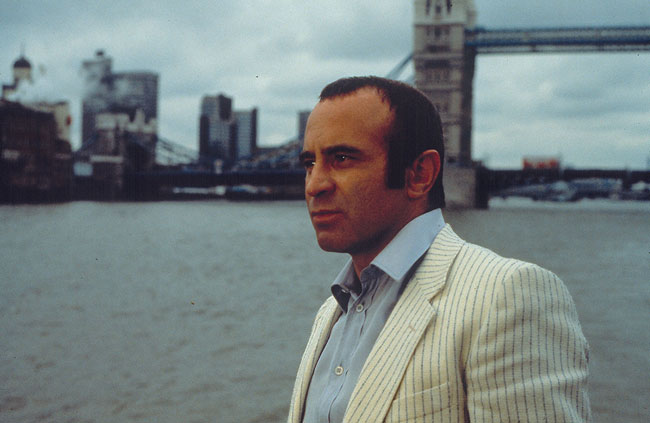
With more of a comedic tone, The Italian Job (1969) presented a daring Turin bullion robbery, featuring Michael Caine as the ringleader and Noël Coward as an improbable jailed mastermind. However, Caine delved into darker territory in Mona Lisa (1986), portraying an icily controlling underworld boss alongside Bob Hoskins as his conflicted subordinate.
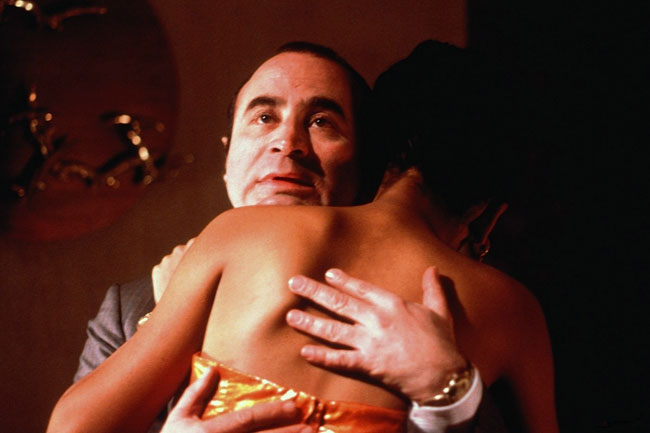
Hoskins himself had previously portrayed a gang leader in the Thatcher-era thriller The Long Good Friday (1980), highlighting the political undertones present in British crime cinema. This trend continued in Mike Figgis’s Stormy Monday (1988), where a wealthy American attempts to infiltrate the Newcastle underworld, drawing parallels to socio-political power struggles.

As the decades progressed, British gangster cinema continued to evolve, incorporating themes of political corruption, social unrest, and urban youth crime. Notable entries include the great vigilante movie Get Carter (1971), Sexy Beast (2000), and Bullet Boy (2004), reflecting contemporary issues and societal anxieties.

Since 2000, the British gangster movie has largely been dominated by either Guy Richie-styled comic crime capers or downbeat urban dramas inspired by pressing social concerns and driven by popular motifs such as revenge or the “last job”.
Of the Ritchie-inspired films there are his own movies Lock, Stock and Two Smoking Barrels (1998), Snatch (2000), and The Gentleman (2019), and those influenced by the filmmaker such as Matthew Vaughn’s Layer Cake (2004), Love, Honour and Obey (2000), and RocknRolla (2007), and to a lesser extent Martin McDonagh’s In Bruges (2008) and Ben Wheatley’s Free Fire (2016).
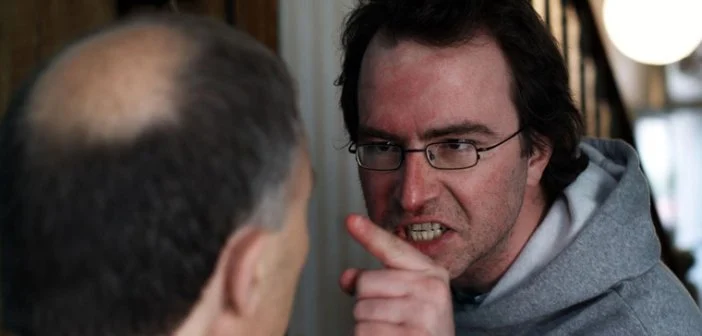
Removed from comic farce and far more serious, other British gangster movies have given audiences a far more sobering presentation of organised crime. Wheatley made Down Terrace (2009), for example, which focuses on a prominent crime family hell-bent on uncovering the criminal informant that has infiltrated their close-knit organisation.
Legend (2015) gave us one of the most compelling films about the Kray twins (with both roles played by Tom Hardy), London to Brighton (2006) focused on a female prostitute on the run with an 11-year-old girl after the pair conspire to kill a sadistic mobster, and Kill List (2011) and Bull (2021) cleverly injected folk horror into conventional gangster tropes.
10 Great British Gangster Movies With A Difference
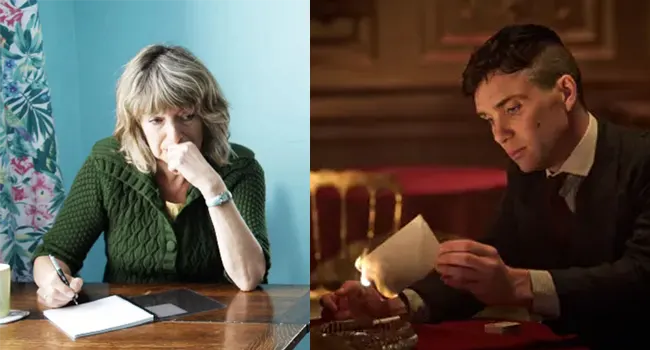
10 British gangster movies with a difference including kitchen sink crime drama Down Terrace, psycho-horror Kill List, and musical comedy Bugsy Malone.











Comments