
 By
By 
In cinema, the cold open is that crucial first sequence that hooks you before the title card even drops. Think of the bank heist in The Dark Knight or the opening chase in Baby Driver. It is immediate, visceral, and sets the stakes without a single line of wasted dialogue. Unfortunately, the modern gaming landscape often feels like a bloated franchise sequel that refuses to get to the point. You load up a “next-gen” slot and get bombarded with intro cinematics, complex lore, and a tutorial phase that feels longer than the director’s cut of a fantasy epic.
True players, much like fans of lean, high-octane action cinema, aren’t looking for a slow burn or heavy CGI exposition. They want the narrative stripped back to its rawest form: risk, reward, and the immediate adrenaline of the spin. You want to bypass the backstory and jump straight into the third-act intensity from the very first second. The spin button shouldn’t be a request for permission; it should be the director yelling “Action!” on a stunt sequence that has no safety net. When the pacing is tight and the unnecessary fluff is cut from the final edit, every single frame matters.
Practical Effects Over Green Screens
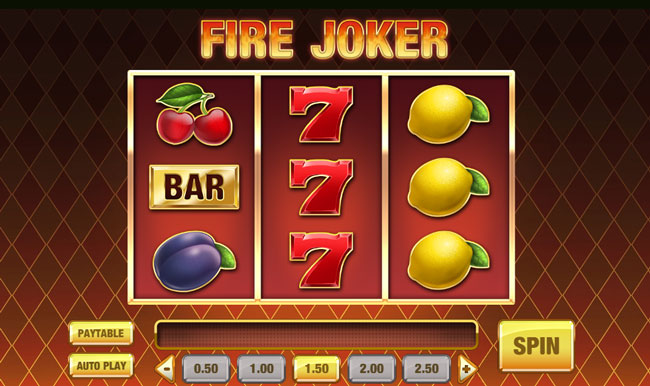
There is a reason film purists will always champion practical effects over a chaotic, over-rendered green screen background. When you watch a real car flip or a stuntman actually take a fall, the impact registers in your brain completely differently. It feels authentic, grounded, and immediately dangerous. This exact cinematic philosophy applies perfectly to the digital reel grid. Stepping into a game like the fire joker slot strips away the overproduced, distracting CGI of modern titles and returns to a tight, aggressive 3×3 layout. It is the gaming equivalent of a gritty, beautifully choreographed fight scene shot in a single, unbroken take.
There are no confusing subplots to keep track of, no hidden mechanics buried in a bloated script, and absolutely no filler. Every single spin is framed perfectly. You see exactly what is happening, you understand the stakes the moment the symbols lock in, and the pacing never drops. By relying on a classic mechanical foundation rather than flashy, hollow distractions, the session maintains a relentless momentum. It is a masterclass in tight editing—delivering maximum thrill with absolute precision. You don’t need a convoluted storyline when the action on screen speaks for itself, proving once again that sometimes, stripping away the excess delivers the most powerful punch.
Building the Third Act Tension
Every iconic blockbuster has that exact moment where the protagonist is pushed to the absolute limit. The ticking clock trope is in full effect, and the hero has one last desperate move to make before the screen cuts to black. On the classic grid, the respin feature is that cinematic sequence brought to life. You miss the perfect alignment by a single frame, the board locks, and you are granted one final shot. It is the visual equivalent of an action star reloading their last magazine in slow motion. The suspense is entirely isolated on a single spinning column, stretching the anticipation right to the breaking point.
Then the multiplier wheel triggers. This is your definitive third-act plot twist. It is the exact second the orchestral score swells, the stakes skyrocket, and the main character pushes all their chips into the center of the table. Everything you did prior was simply the setup for this ultimate climax. A standard payout suddenly has the potential to multiply into a massive, screen-shaking victory. You are no longer just participating in a routine session; you are stepping directly into the grand finale, feeling the raw, unfiltered tension of a climax that delivers a legendary payoff.
Rolling the End Credits
The greatest films in cinematic history share one defining trait: they know exactly when to cut to black. If a director keeps the cameras rolling long after the climactic explosion, the tension evaporates, and a masterpiece slowly devolves into a dragging, unnecessary epilogue. In the digital gaming arena, you are the director of your own session, and your most critical job is knowing exactly when to call “Cut.”
When you hit that massive multiplier or survive a nail-biting respin to land a heavy payout, you have reached your box office triumph. Staying seated and continuing to spin just because the screen is still glowing is the equivalent of forcing a rushed, low-budget sequel that nobody asked for. It dilutes the impact of your victory. Instead, you must execute the perfect smash cut. Hitting the withdrawal button and closing the interface at the absolute peak of your adrenaline preserves the thrill of the win. It leaves you with the lingering aftertaste of a perfectly choreographed, high-octane short film where you walked away with the grand prize, wrapping the night on your own terms.












Comments