
 By
By 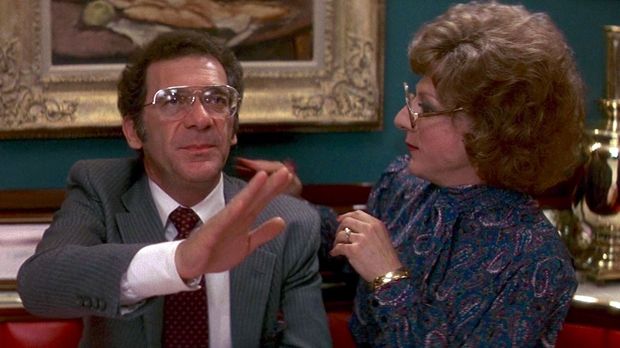
Director Sydney Pollack isn’t the sort of film director to have heated arguments with his actors. Indeed, in a career spanning five decades he only ever remembers it happening on one movie. The film was Tootsie. The actor was Dustin Hoffman.
However, Pollack devised an ingenious way to deal with Hoffman’s tantrums, talking to the actor only when he was in full Dorothy Michaels mode – makeup, wardrobe and all.
Tootsie was released in 1982. The satirical romantic comedy sees Hoffman, who stars alongside Jessica Lange, Teri Garr, Dabney Coleman, and Charles Durning, playing Michael Dorsey, a talented but difficult actor who adopts a female persona to land a job.
Inspired by a play from the early 1970s, the screenplay underwent several revisions and director changes before production began in November 1981. Released on December 17, 1982, the film was a critical and commercial success, grossing $241 million worldwide and receiving ten Academy Award nominations, with Jessica Lange winning Best Supporting Actress.
Hoffman’s dedication to preparing for his role in Tootsie was nothing short of remarkable. He immersed himself in the character by watching La Cage aux Folles from 1978 multiple times, really absorbing the nuances of playing a gender-bending role. Hoffman didn’t stop there – he even visited the set of General Hospital for in-depth research and put himself through extensive makeup tests.
What’s truly fascinating is Hoffman’s reaction to the transformation. He was amazed to find that while makeup could make him convincingly look like a woman, it couldn’t make him beautiful. This realisation was a profound moment for him. He understood that, although he found Dorothy compelling, he wouldn’t have approached her at a party simply because she wasn’t conventionally attractive. This epiphany made him realise how many opportunities for meaningful conversations with interesting women he might have missed in his own life.
A battle between director and star

Throughout the film’s production neither Pollack or Hoffman saw eye to eye. In a resurfaced interview from the set, Pollack is seen saying: “Legally I have control of the picture. But that doesn’t mean I owe [Hoffman] a lot morally, which I do. You can’t make an actor do anything. Make him do anything. Now, I can’t direct a scene I don’t believe in either, and sometimes both things have happened.”
Pollack’s words came shortly after the pair had filmed a now iconic moment where Michael Dorsey, as Dorothy, strikes a man with his bag for stealing a cab he hailed first. Pollack envisioned the scene as serious, while Hoffman wanted to play it for laughs.
Pollack explained, “Originally, I envisioned the scene to show him being victimised because he was wearing a skirt. But Dustin wanted to pull the guy out of the cab and beat him up. Those are two entirely different movies. So, you have to decide which direction to go.”
Sydney Pollack’s biggest on-set disagreements came in the presence of Dustin Hoffman
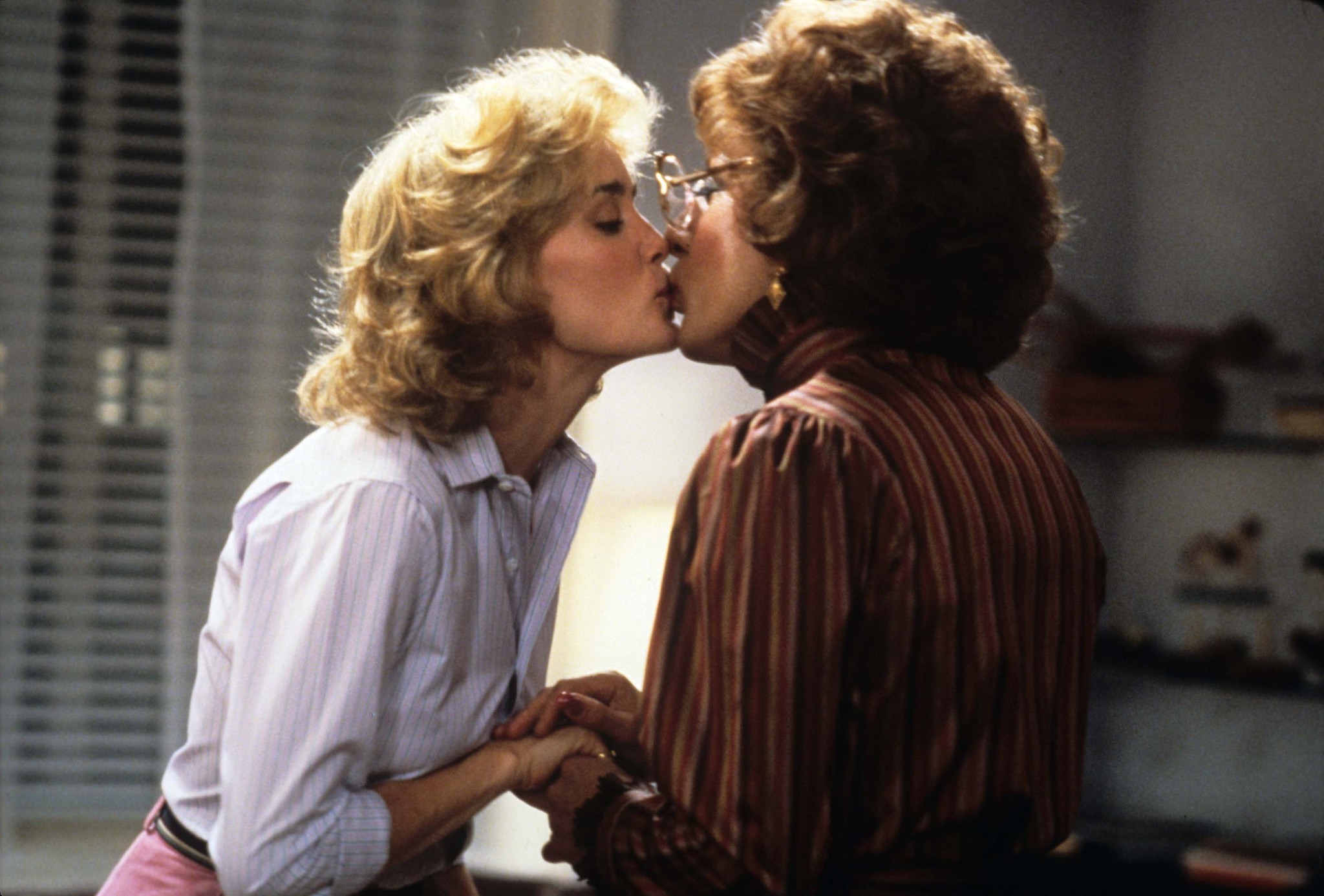
The only “screaming” fights on set Sydney Pollack has ever had were with Dustin Hoffman while shooting Tootsie in 1982, he told Jeffrey Ressner in 2006 for a DGA article about his career.
In the interview, Pollack says, “We had a lot of arguments about choices of behaviour in scenes. Originally, the project belonged to him and it was his vision. Then I took it over and, as much as I could, I made it into my vision. And those two visions weren’t always in sync.
“We had a territory battle for a while, because we were transferring ownership. He has a slightly bawdier sense of humour than I do. He also wanted the movie to be more about the truths of actors’ lives than I did. I don’t say I’m right or he’s right. I just saw it in a different way than he did, and we fought like hell.”
To navigate the tension and get Hoffman to agree to script changes, Pollack devised his clever strategy. After observing how Hoffman completely immersed himself in the character of Dorothy, Pollack decided to discuss script changes with Hoffman only when he was in character as Dorothy.
This approach proved effective, as Hoffman, speaking in Dorothy’s voice and manner, was much more agreeable and cooperative. As a result, Pollack was able to guide the film’s production more smoothly, turning what was initially a contentious working relationship into a more collaborative and creative partnership.
Dustin Hoffman’s Emotional Reflection On Beauty Standards Goes Viral On TikTok

Dustin Hoffman in Tootsie.
Hoffman recounts his initial shock upon viewing himself as Dorothy Michaels on screen, expressing his desire to conform to conventional standards of female beauty.
A Talented “Graduate”: Top 10 Dustin Hoffman Films
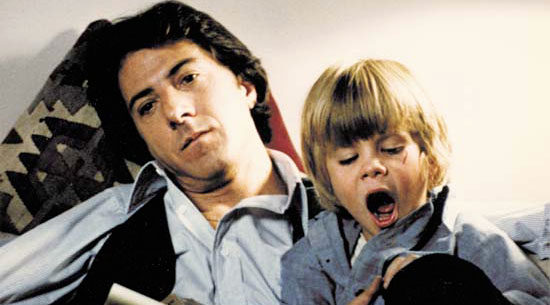
Ratso’s hang-ups, Sumner’s ordeal, Braddock’s sexual desire: The Life and Characters of Dustin Hoffman – Top 10 Films takes a look at the Hollywood great’s best films.











Comments